
Can a Landlord Be Prosecuted for Non-Compliance?
Being a landlord in the UK comes with significant legal responsibilities. While most landlords understand the importance of gas safety certificates and tenancy agreements, many underestimate the serious consequences of failing to comply with housing regulations.
The reality is that landlords can face substantial fines, civil penalties, rent repayment orders, banning orders, and in some cases criminal prosecution for non-compliance.
Understanding your legal obligations is essential to protecting both your tenants and your investment.
What Does Landlord Non-Compliance Mean?
Landlord non-compliance occurs when a landlord fails to meet legal obligations relating to a rental property.
Examples include:
- Not obtaining a valid Gas Safety Certificate
- Failing to complete an EICR (Electrical Installation Condition Report)
- Not protecting a tenant's deposit correctly
- Ignoring fire safety regulations
- Failing to provide mandatory tenancy documents
- Operating an unlicensed HMO
- Failing to carry out repairs that affect tenant safety
- Not conducting Right to Rent checks (England)
- Breaching housing standards under the Housing Health and Safety Rating System (HHSRS)
These breaches can trigger enforcement action by local authorities, courts, or regulatory bodies.
Can Landlords Be Prosecuted?
Yes.
Depending on the severity of the breach, a landlord may face:
Civil Penalties
Local councils can impose financial penalties without taking a landlord to court.
For serious housing offences, penalties can reach:
- Up to £30,000 per offence
- Multiple penalties for multiple breaches
- Additional enforcement costs
Civil penalties have become increasingly common because councils can retain the funds generated through enforcement.
Criminal Prosecution
Certain offences can lead to criminal prosecution in court.
Examples include:
- Failure to comply with improvement notices
- Operating an unlicensed HMO
- Illegal eviction
- Harassment of tenants
- Serious breaches of housing safety legislation
- Repeat offences
If convicted, landlords may receive:
- Unlimited fines
- Criminal records
- Banning orders
- Rent repayment orders
- Restrictions on future property investments
Common Reasons Landlords Face Legal Action
1. Gas Safety Failures
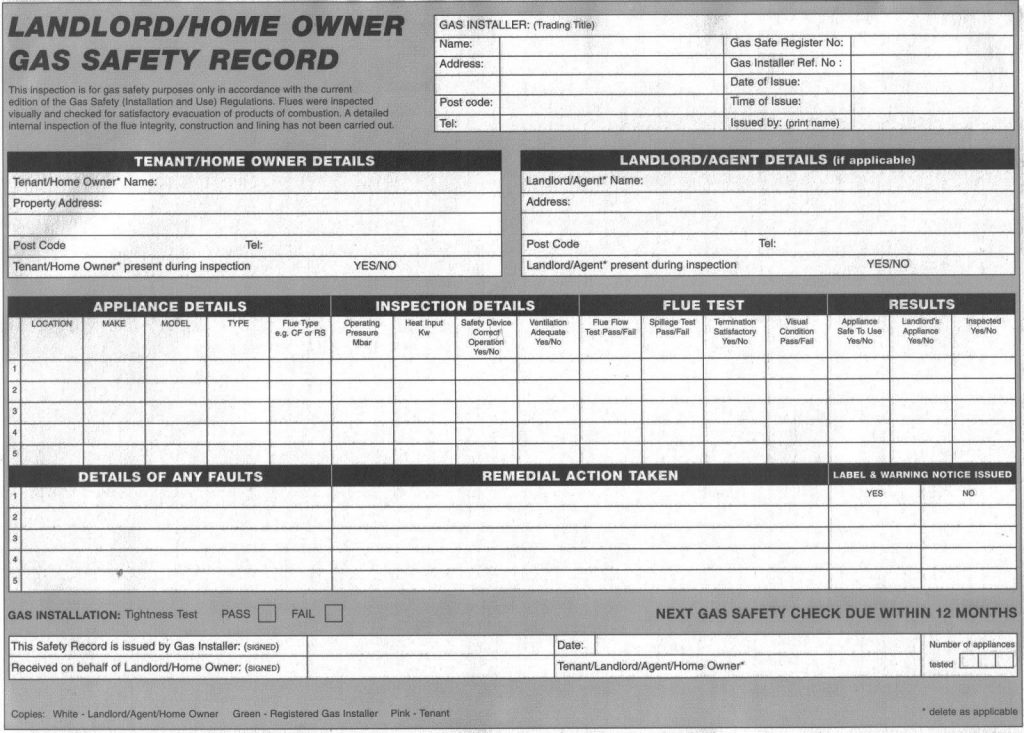
Landlords must arrange annual gas safety inspections where gas appliances are provided.
Failure to comply can result in:
- Significant fines
- Criminal prosecution
- Increased liability if a tenant is injured
For official guidance, visit:
Health and Safety Executive Gas Safety Guidance
2. Electrical Safety Non-Compliance
Most private rented properties require:
- A valid EICR
- Inspections every five years
- Remedial work completed when required
Failure to comply may lead to enforcement notices and financial penalties.
Official guidance:
UK Government Electrical Safety Standards
3. Deposit Protection Breaches
Landlords must protect deposits in an approved tenancy deposit scheme and provide prescribed information within legal timescales.
Failure may result in:
- Court action
- Compensation of up to three times the deposit amount
- Restrictions on serving certain possession notices
Approved schemes include:
4. HMO Licensing Violations
Many Houses in Multiple Occupation require licensing.
Failure to obtain the correct licence may result in:
- Civil penalties
- Criminal prosecution
- Rent repayment orders
- Restrictions on future licensing applications
Check local requirements through your local council.
5. Illegal Eviction
One of the most serious offences a landlord can commit is illegally removing a tenant without following the proper legal process.
Examples include:
- Changing locks
- Cutting off utilities
- Threatening tenants
- Removing belongings
These actions can result in:
- Criminal prosecution
- Unlimited fines
- Compensation claims
What Is a Rent Repayment Order?
A Rent Repayment Order (RRO) allows tenants to reclaim rent paid during periods where certain offences occurred.
Common triggers include:
- Unlicensed HMOs
- Illegal eviction
- Breaches of housing regulations
Landlords may be ordered to repay up to 12 months of rent.
Can a Landlord Receive a Banning Order?
Yes.
For the most serious offences, a landlord may receive a banning order.
This can prevent an individual from:
- Letting property
- Managing rental accommodation
- Acting as a letting agent
Banning orders are typically used against repeat offenders or landlords responsible for serious housing offences.
How Councils Investigate Non-Compliance
Local authority enforcement teams may investigate following:
- Tenant complaints
- Property inspections
- Licensing applications
- Reports from neighbours
- Fire and rescue service referrals
- Environmental health concerns
Investigations often involve:
- Property visits
- Document reviews
- Safety assessments
- Formal notices
Keeping accurate records can significantly assist during inspections.
How Landlords Can Stay Compliant
A proactive approach is always cheaper than enforcement action.
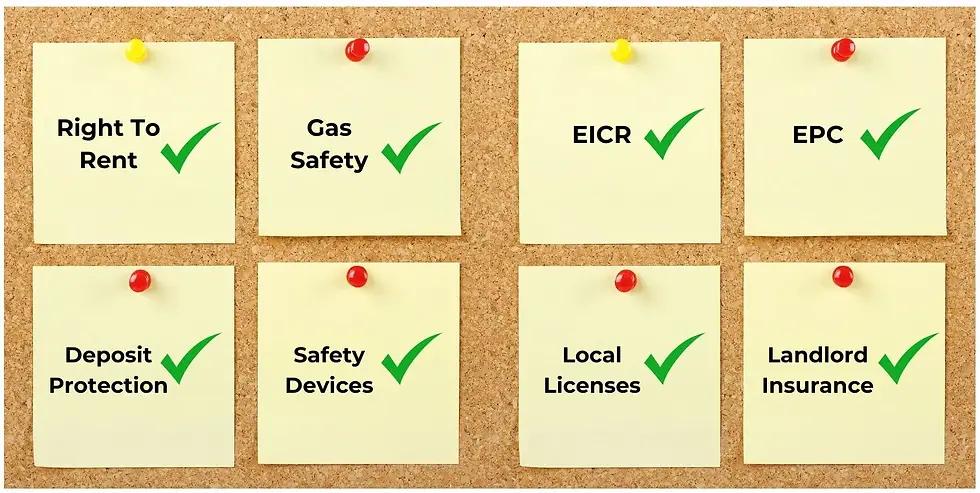
Essential Compliance Checklist
✅ Annual Gas Safety Certificate
✅ Valid EICR every five years
✅ Smoke alarms installed and tested
✅ Carbon monoxide alarms where required
✅ Deposit protected correctly
✅ Right to Rent checks completed
✅ EPC available
✅ Property repairs completed promptly
✅ HMO licence obtained if required
✅ Compliance documents stored securely
Why Good Record Keeping Matters
One of the strongest defences against compliance issues is maintaining accurate records.
Landlords should keep:
- Safety certificates
- Inspection reports
- Deposit documentation
- Repair records
- Tenant communications
- Inventory reports
- Licensing documents
If a council investigates, organised documentation can demonstrate compliance quickly and reduce enforcement risks.
Final Thoughts
Can a landlord be prosecuted for non-compliance?
Absolutely.
While many breaches result in civil penalties, serious or repeated failures can lead to criminal prosecution, substantial fines, rent repayment orders, banning orders, and long-term reputational damage.
The best approach is preventative compliance. By maintaining safety certificates, protecting deposits correctly, responding promptly to repairs, and keeping thorough records, landlords can significantly reduce legal risks while providing safe, compliant accommodation for tenants.