
Carbon Monoxide Alarm Rules Explained (UK Landlord Guide 2026)
Everything landlords need to know about carbon monoxide alarm regulations, legal requirements, compliance responsibilities, and tenant safety.
Carbon monoxide (CO) is often referred to as the "silent killer" because it is invisible, odourless, and potentially fatal. Every year, people across the UK are hospitalised due to carbon monoxide poisoning, often caused by faulty boilers, gas appliances, blocked flues, or poorly maintained heating systems.
To improve tenant safety, UK landlords have legal responsibilities regarding the installation and maintenance of carbon monoxide alarms in rental properties.
This guide explains the current carbon monoxide alarm rules, landlord obligations, and best practices for remaining compliant in 2026.
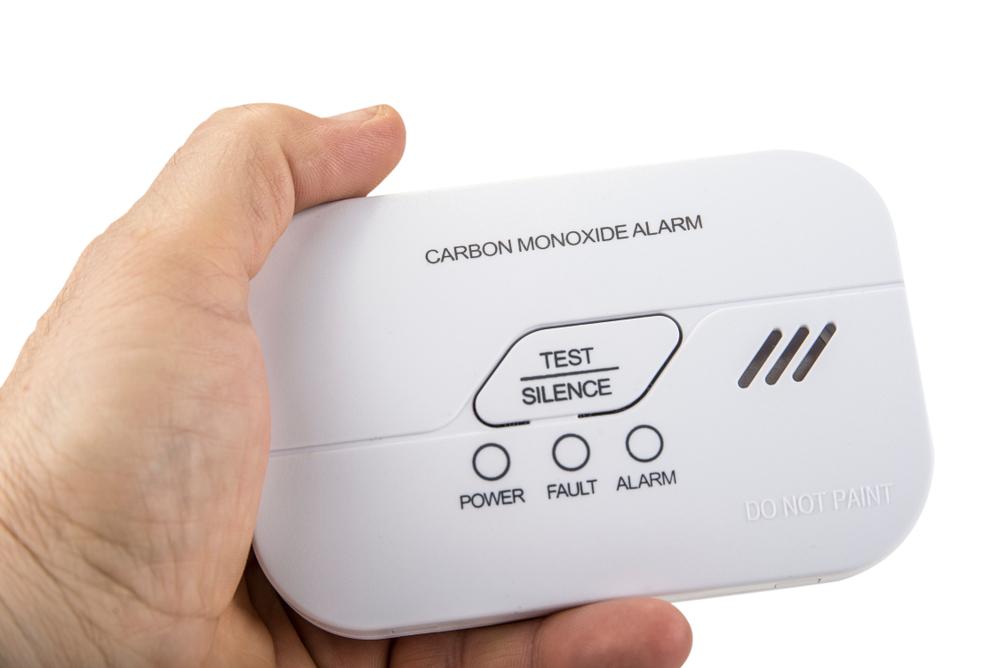
What Is Carbon Monoxide?
Carbon monoxide is a poisonous gas produced when fuels such as gas, oil, wood, coal, or biomass do not burn properly.
Common sources include:
- Gas boilers
- Gas fires
- Wood-burning stoves
- Open fireplaces
- Oil-fired heating systems
- Solid fuel appliances
Because carbon monoxide cannot be seen, smelled, or tasted, alarms are often the only warning that dangerous levels are present.
Why Are Carbon Monoxide Alarms Important?
Carbon monoxide poisoning can cause:
- Headaches
- Dizziness
- Nausea
- Confusion
- Loss of consciousness
- Death in severe cases
Working carbon monoxide alarms provide an early warning, allowing occupants to leave the property and seek assistance before exposure becomes dangerous.
Benefits include:
✔ Protecting tenant safety
✔ Reducing the risk of serious injury or death
✔ Supporting legal compliance
✔ Providing peace of mind for landlords
Are Carbon Monoxide Alarms a Legal Requirement?
Yes.
Current regulations require landlords in England to install carbon monoxide alarms in certain rental properties.
The rules were strengthened in recent years to improve tenant protection.
Useful guidance:
Smoke and Carbon Monoxide Alarm Regulations (Gov.uk)
Where Must Carbon Monoxide Alarms Be Installed?
Under current regulations, landlords must install a carbon monoxide alarm in:
Any Room Used as Living Accommodation Containing a Fixed Combustion Appliance
Examples include:
✔ Gas boilers
✔ Gas fires
✔ Wood-burning stoves
✔ Log burners
✔ Oil-fired appliances
✔ Coal-burning appliances
A fixed combustion appliance is any permanently installed appliance that burns fuel.
Are Gas Cookers Included?
No.
A room containing only a gas cooker does not generally require a carbon monoxide alarm under current regulations.
However, many landlords choose to install alarms voluntarily for additional safety.
What Counts as Living Accommodation?
Living accommodation generally includes:
- Living rooms
- Bedrooms
- Dining rooms
- Studies
- Habitable loft conversions
The requirement applies where a fixed combustion appliance is present in a room used for residential living purposes.
Landlord Responsibilities
Landlords must ensure that carbon monoxide alarms are:
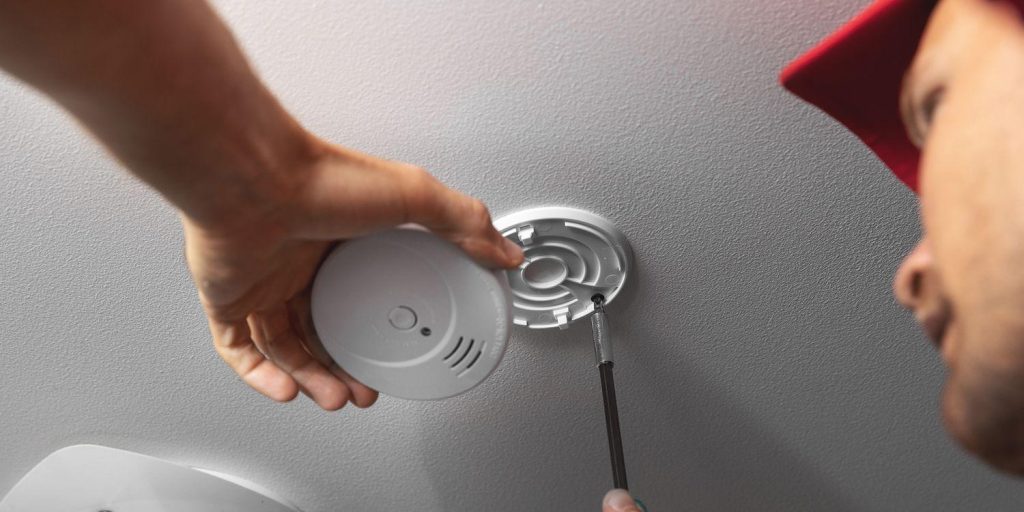
Installed Correctly
The alarm should be positioned according to the manufacturer's instructions.
Working at the Start of a Tenancy
Landlords must ensure alarms are operational when a new tenancy begins.
Repaired or Replaced When Reported Faulty
If tenants report a fault, landlords are responsible for repairing or replacing the alarm.
Compliance Checklist
✔ Alarm installed where required
✔ Alarm tested before tenancy starts
✔ Faults addressed promptly
✔ Records maintained where possible
What Are Tenants Responsible For?
During the tenancy, tenants should:
✔ Test alarms regularly
✔ Replace batteries if applicable
✔ Report faults immediately
Prompt reporting helps ensure alarms remain effective throughout the tenancy.
Types of Carbon Monoxide Alarms
Several alarm types are available.
Battery-Powered Alarms
- Easy installation
- Lower upfront cost
- Batteries require replacement
Sealed Long-Life Battery Alarms
- Batteries typically last up to 10 years
- Minimal maintenance
- Popular with landlords
Mains-Powered Alarms
- Connected to the electrical system
- Often include battery backup
- Common in newer properties
Many landlords favour long-life alarms to reduce maintenance requirements.
Carbon Monoxide Alarms and Gas Safety Checks
Carbon monoxide alarms do not replace annual gas safety inspections.
Landlords with gas appliances must still arrange:
Annual Gas Safety Checks
Conducted by a Gas Safe registered engineer.
The inspection helps ensure:
- Appliances are safe
- Flues are functioning correctly
- Gas systems operate properly
Useful guidance:
Gas Safety Responsibilities for Landlords
What Happens If Landlords Fail to Comply?
Local authorities can take enforcement action where alarm requirements are not met.
Potential consequences may include:
❌ Financial penalties
❌ Enforcement notices
❌ Increased liability if an incident occurs
❌ Potential insurance complications
Compliance should always be treated as a priority.
Best Practice for Landlords
Beyond the legal minimum, many landlords choose to:
✔ Install alarms near all fuel-burning appliances
✔ Use alarms with sealed 10-year batteries
✔ Check alarms during property inspections
✔ Include alarm information in tenant welcome packs
✔ Keep records of testing and maintenance
These additional steps can further improve tenant safety.
Carbon Monoxide Alarm Compliance Checklist
Before Marketing
✔ Fuel-burning appliances identified
✔ Alarm locations reviewed
Before Move-In
✔ Carbon monoxide alarms installed where required
✔ Alarms tested and working
✔ Tenant informed
During Tenancy
✔ Fault reports addressed promptly
✔ Alarms checked during inspections
At Re-Letting
✔ Alarms re-tested
✔ Batteries checked or units replaced if required
Common Landlord Mistakes
Avoid these common compliance issues:
❌ Assuming smoke alarms also detect carbon monoxide
❌ Forgetting to install alarms near fixed combustion appliances
❌ Ignoring tenant reports of faults
❌ Failing to test alarms at the start of a tenancy
❌ Relying solely on gas safety inspections
Both alarms and gas safety checks play important but different roles in tenant safety.
Smoke Alarms vs Carbon Monoxide Alarms
Many landlords confuse the two devices.
Smoke Alarms
Detect smoke from fires.
Typically required on every storey used as living accommodation.
Carbon Monoxide Alarms
Detect dangerous carbon monoxide gas.
Required in rooms used as living accommodation containing fixed combustion appliances.
Most rental properties will require both types of alarm.
Key Takeaways
✔ Carbon monoxide is a potentially deadly gas that cannot be seen or smelled
✔ Landlords must install carbon monoxide alarms in rooms used as living accommodation containing fixed combustion appliances
✔ Alarms must be working at the start of each tenancy
✔ Faulty alarms reported by tenants must be repaired or replaced
✔ Carbon monoxide alarms do not replace annual gas safety inspections
✔ Compliance helps protect tenants and reduce landlord liability
Carbon monoxide alarms are a simple, affordable safety measure that can save lives. By understanding and following the regulations, landlords can help create a safer environment while remaining fully compliant with their legal obligations.