
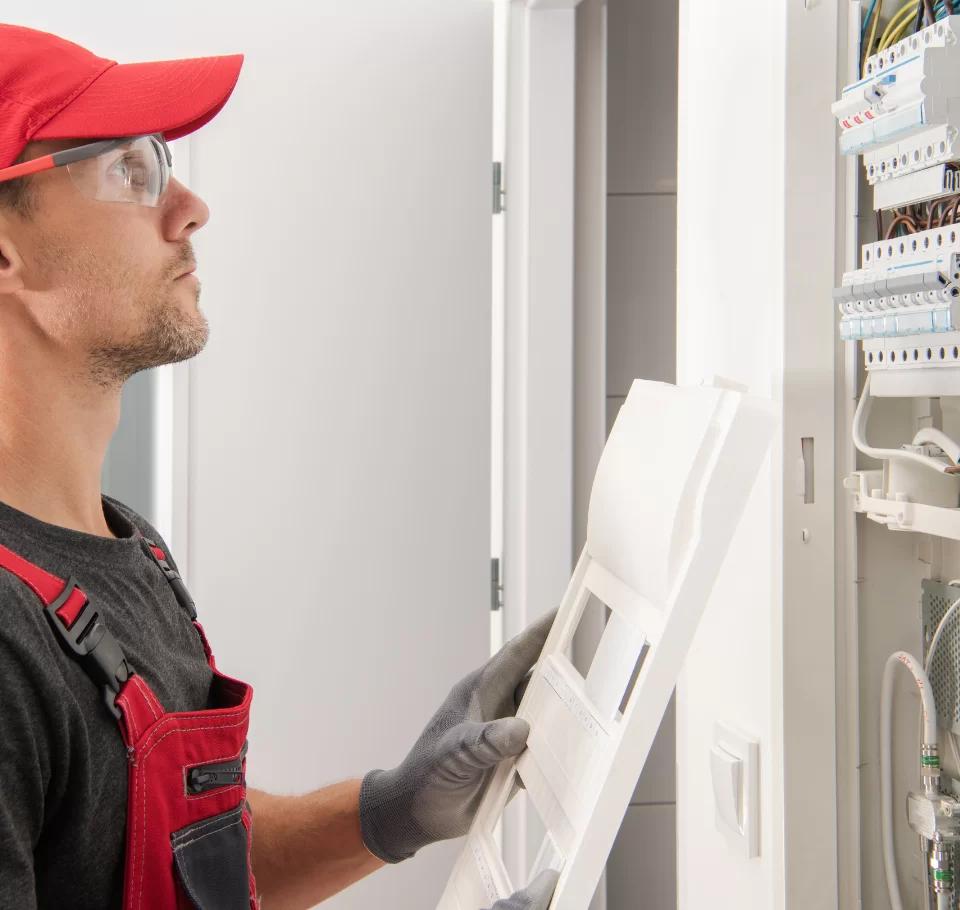
EICR Explained for UK Landlords (Complete Guide 2026)
Everything landlords need to know about Electrical Installation Condition Reports (EICRs), legal requirements, costs, compliance, and keeping rental properties safe.
Electrical safety is a fundamental responsibility for landlords, and one of the most important compliance requirements is obtaining an Electrical Installation Condition Report (EICR).
An EICR helps ensure that a property's electrical installations are safe for tenants and compliant with current regulations. Failure to comply can result in financial penalties, legal issues, and increased risk to tenant safety.
This guide explains what an EICR is, why landlords need one, how often inspections are required, and what happens if issues are identified.
What Is an EICR?
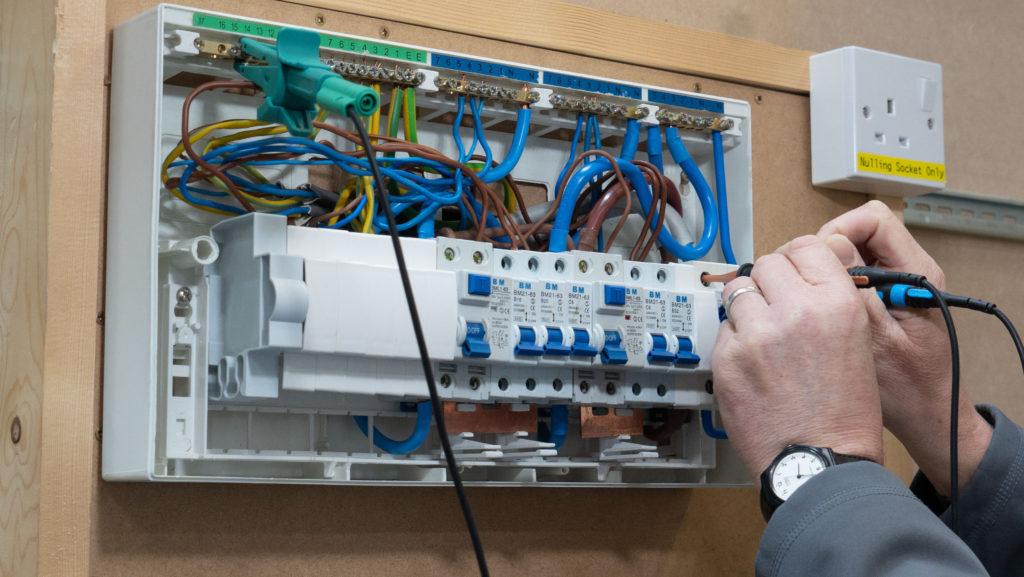
An Electrical Installation Condition Report (EICR) is a formal inspection of a property's fixed electrical installations.
The inspection assesses whether the electrical system is:
✔ Safe to use
✔ Free from dangerous defects
✔ Compliant with current safety standards
✔ Suitable for continued use
The report is carried out by a qualified and competent electrician.
Useful guidance:
Why Is an EICR Important?
Electrical faults are a common cause of fires and injuries in residential properties.
An EICR helps identify:
- Damaged wiring
- Faulty circuits
- Unsafe consumer units
- Overloaded installations
- Earthing and bonding issues
- Potential fire hazards
Regular inspections protect both tenants and landlords.
Benefits include:
✔ Legal compliance
✔ Improved tenant safety
✔ Reduced liability risks
✔ Early identification of costly problems
✔ Peace of mind for landlords
Is an EICR a Legal Requirement?
Yes.
For most privately rented properties in England, landlords must ensure electrical installations are inspected and tested by a qualified person at least every:
Five Years
Landlords must also:
✔ Retain a copy of the report
✔ Provide copies when required
✔ Complete remedial work if issues are identified
Useful guidance:
What Does an EICR Inspection Cover?
The inspection focuses on the property's fixed electrical installations rather than portable appliances.
Areas typically inspected include:
Consumer Unit (Fuse Box)
- Safety devices
- Circuit protection
- Overall condition
Wiring
- Condition of cables
- Signs of deterioration
- Compliance with regulations
Sockets and Switches
- Proper installation
- Damage or wear
- Electrical safety
Lighting Circuits
- Safe operation
- Wiring condition
Earthing and Bonding
- Protection against electric shock
- Compliance with safety standards
Electrical Circuits
- Testing and verification
- Load capacity assessment
How Long Does an EICR Take?
The length of an EICR inspection depends on the size and complexity of the property.
Typical inspection times are:
- 1-bedroom flat: approximately 2–3 hours
- 2–3-bedroom house: approximately 3–4 hours
- Larger properties: approximately 4–6 hours
- HMOs (Houses in Multiple Occupation): often 6+ hours depending on the number of rooms and electrical circuits
Factors that can affect inspection time include:
- Whether faults are identified during testing
- Number of bedrooms
- Number of electrical circuits
- Age of the property
- Accessibility of electrical installations
The electrician may need temporary access to sockets, switches, and electrical equipment during testing.
Understanding EICR Codes
After the inspection, observations are assigned classification codes.
C1 – Danger Present
Immediate danger exists.
Urgent action is required.
Example
- Exposed live wiring
C2 – Potentially Dangerous
A serious issue exists that requires remedial work.
Example
- Inadequate earthing
FI – Further Investigation Required
Additional inspection is needed to determine whether a safety risk exists.
C3 – Improvement Recommended
The installation is not unsafe but could be improved.
Example
- Older equipment that does not meet the latest standards
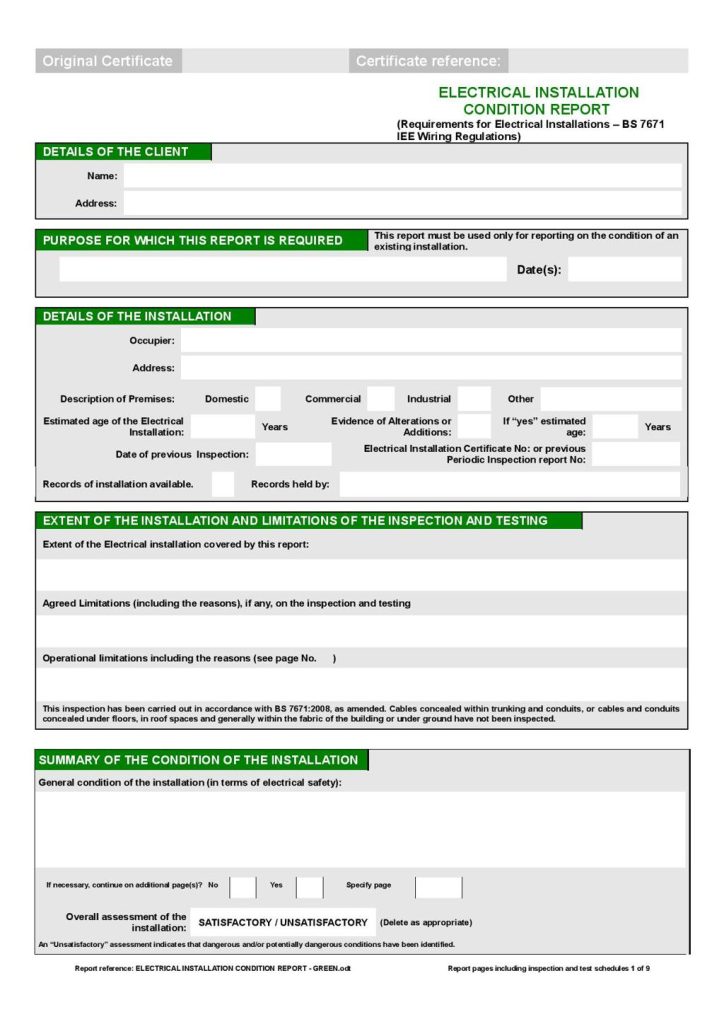
Satisfactory vs Unsatisfactory Reports
Satisfactory
No C1, C2, or FI observations identified.
No immediate remedial action required.
Unsatisfactory
One or more:
- C1
- C2
- FI
observations are present.
Remedial work must usually be completed to bring the installation to a satisfactory standard.
What Happens If the EICR Is Unsatisfactory?
Landlords must arrange corrective work within the required timeframe.
This generally involves:
✔ Hiring a qualified electrician
✔ Completing repairs
✔ Obtaining written confirmation that work has been completed
Keep all documentation safely stored as proof of compliance.
EICR vs PAT Testing
Many landlords confuse EICR inspections with PAT testing, but they serve different purposes.
EICR (Electrical Installation Condition Report)
An EICR focuses on the property's fixed electrical installations, including:
- Wiring
- Consumer unit (fuse box)
- Electrical circuits
- Sockets
- Light fittings
- Earthing and bonding
Key facts:
✔ Usually required by electrical safety regulations for rental properties
✔ Covers the property's permanent electrical system
✔ Typically required every five years
✔ Helps identify electrical hazards and compliance issues
PAT Testing (Portable Appliance Testing)
PAT testing focuses on portable electrical appliances supplied by the landlord, such as:
- Kettles
- Microwaves
- Toasters
- Vacuum cleaners
- Lamps
- Extension leads
Key facts:
✔ Covers movable electrical appliances rather than fixed wiring
✔ Generally recommended but not usually a legal requirement for standard residential lets
✔ Testing frequency varies depending on the property and appliances provided
✔ Helps ensure landlord-supplied appliances remain safe to use
What's the Difference?
EICR checks the property's electrical installation.
PAT Testing checks the individual electrical appliances provided within the property.
Most landlords will need an EICR for legal compliance, while PAT testing is considered good practice when supplying electrical appliances to tenants.
How Much Does an EICR Cost?
Costs vary depending on:
- Property size
- Number of circuits
- Property type
- Location
Typical costs often range from:
£100–£300+
Larger homes and HMOs may cost more.
Obtaining multiple quotations can help landlords find a competitive price.
What Documents Should Landlords Keep?
Maintain copies of:
✔ EICR reports
✔ Remedial work certificates
✔ Electrical invoices
✔ Contractor details
✔ Compliance records
Good record keeping helps demonstrate compliance if required by local authorities or tenants.
EICR Compliance Checklist
Before Letting
✔ Valid EICR completed
✔ Any remedial work finished
✔ Documentation stored safely
During Tenancy
✔ Electrical issues addressed promptly
✔ Records maintained
Every Five Years
✔ New EICR arranged
✔ Recommendations reviewed
✔ Necessary repairs completed
Common EICR Mistakes Landlords Make
Avoid these common compliance issues:
❌ Assuming an old report remains valid indefinitely
❌ Ignoring recommendations from electricians
❌ Delaying remedial work
❌ Using unqualified contractors
❌ Poor record keeping
Proactive compliance is almost always cheaper than dealing with emergency repairs or enforcement action.
Benefits of Regular Electrical Inspections
Beyond legal compliance, EICRs offer several advantages:
✔ Improved tenant safety
✔ Reduced fire risk
✔ Early identification of faults
✔ Better maintenance planning
✔ Protection of property value
✔ Reduced liability exposure
Electrical inspections should be viewed as an investment in both safety and property protection.
Key Takeaways
✔ An EICR assesses the safety of a property's electrical installations
✔ Most rental properties require an inspection at least every five years
✔ EICRs help landlords comply with electrical safety regulations
✔ Unsatisfactory reports require remedial work
✔ Keeping records is an important part of compliance
✔ Regular inspections improve tenant safety and reduce risks
For landlords, an EICR is one of the most important safety documents associated with a rental property. Staying up to date with inspections helps ensure legal compliance while providing a safe environment for tenants.