

EPC Requirements for Landlords in 2026: Complete UK Guide
Everything landlords need to know about Energy Performance Certificates (EPCs), minimum energy efficiency standards, compliance requirements, and potential future changes in 2026.
Energy Performance Certificates (EPCs) remain one of the most important compliance requirements for UK landlords.
Whether you own a single buy-to-let property or a larger portfolio, understanding EPC regulations is essential to avoid penalties, legally market your property, and ensure compliance with energy efficiency standards.
With ongoing discussions around improving energy efficiency across the private rented sector, landlords should stay informed about both current requirements and potential future changes.
This guide explains everything landlords need to know about EPC requirements in 2026.
What Is an EPC?
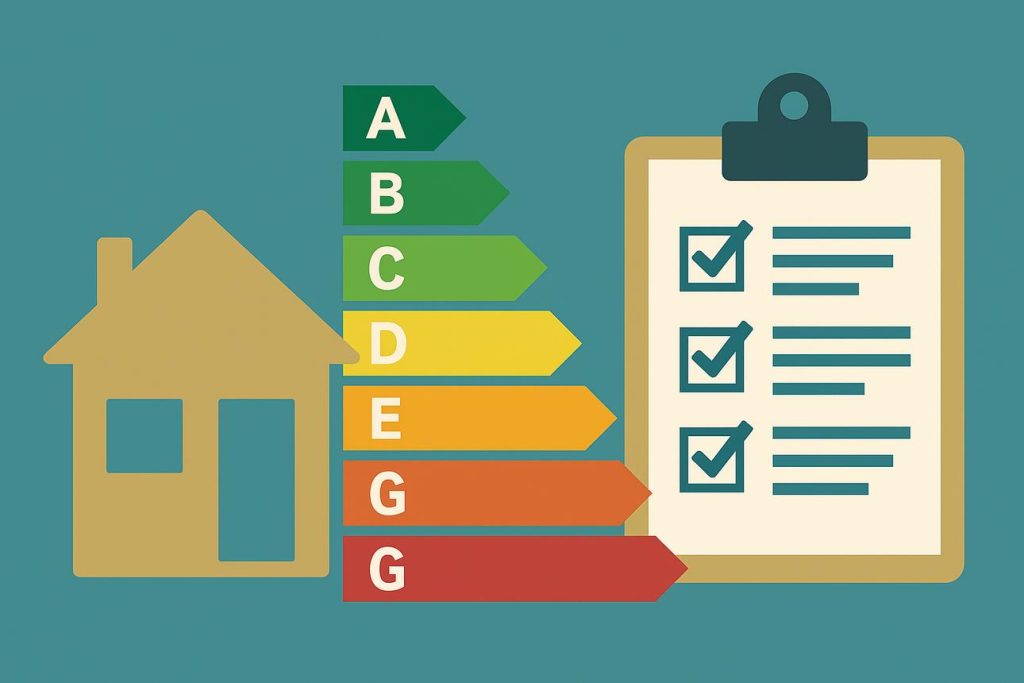
An Energy Performance Certificate (EPC) measures a property's energy efficiency.
The certificate provides:
- An energy efficiency rating from A (most efficient) to G (least efficient)
- Estimated energy costs
- Carbon emissions information
- Recommendations for improving efficiency
An EPC helps tenants understand the likely running costs of a property before renting.
Do Landlords Need an EPC?
In most cases, yes.
A valid EPC is generally required before marketing a rental property.
Landlords must make the EPC available to prospective tenants and provide EPC information during the letting process.
Failure to provide a valid EPC can lead to enforcement action and financial penalties.
Minimum EPC Requirements in 2026
As of 2026, most privately rented properties in England and Wales must achieve a minimum EPC rating of:
EPC Rating E or Above
Landlords generally cannot grant or continue certain tenancies if the property falls below the minimum energy efficiency standard unless a valid exemption applies.
Current Compliance Requirement
✔ Minimum EPC rating E
✔ Valid EPC available
✔ EPC provided when required
Useful guidance:
How Long Does an EPC Last?
An EPC remains valid for:
10 Years
Landlords do not usually need a new EPC during this period unless:
- The certificate expires
- Significant improvements are made
- A new assessment is desired
Landlord Checklist
✔ Check EPC expiry date
✔ Renew before marketing if expired
✔ Keep certificate on file
When Is an EPC Required?
Landlords generally need a valid EPC when:
Advertising a Property
An EPC must usually be available when marketing begins.
Starting a New Tenancy
Prospective tenants should have access to EPC information before signing agreements.
Selling the Property
EPC requirements also apply when selling residential property.
Are There Any Exemptions?
Certain properties may be exempt from EPC requirements or minimum standards.
Examples can include:
- Some listed buildings
- Certain temporary buildings
- Places of worship
- Some buildings due for demolition
Exemptions can be complex and should be verified carefully.
Useful guidance:
Penalties for Non-Compliance
Local authorities can enforce EPC regulations.
Potential consequences may include:
❌ Financial penalties
❌ Publication of non-compliance details
❌ Restrictions on renting the property
The exact penalty depends on the nature and duration of the breach.
How to Improve an EPC Rating
Many landlords seek to improve EPC ratings to increase property appeal and prepare for future regulatory changes.
Common improvements include:
Loft Insulation
One of the most cost-effective upgrades for many properties.
Cavity Wall Insulation
Can significantly reduce heat loss.
Double or Triple Glazing
Improves thermal efficiency and comfort.
LED Lighting
Low-cost improvement often recommended on EPC reports.
Modern Heating Systems
Upgrading old boilers can improve efficiency ratings.
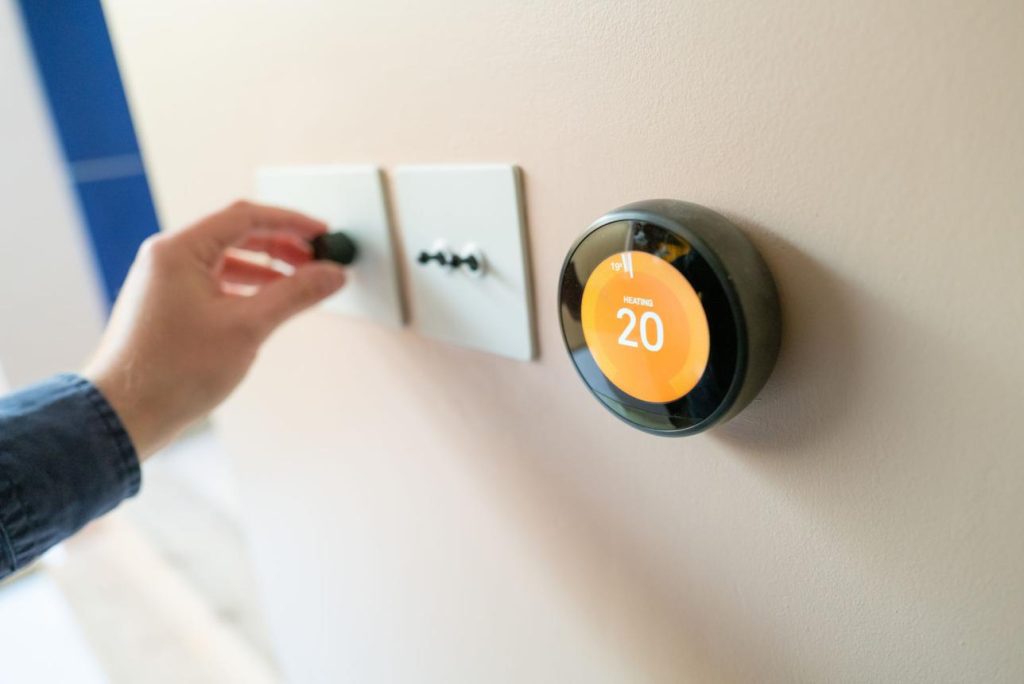
Smart Heating Controls
Programmable thermostats can enhance energy performance.
Potential Future EPC Changes
The UK government has previously proposed increasing energy efficiency requirements for rented properties.
While landlords should remain aware of future consultations and policy developments, the current minimum requirement for most private rented homes remains EPC E unless legislation changes.
Before investing heavily in upgrades solely to meet anticipated future standards, landlords should review the latest government guidance.
Useful resource:
How to Check Your EPC
Landlords can view and download existing EPC certificates online.
Useful resource:
This allows landlords to:
✔ Check expiry dates
✔ Download certificates
✔ Review recommendations
✔ Verify compliance
EPC Checklist for Landlords
Before Marketing
✔ EPC obtained
✔ EPC valid and in date
✔ Rating checked
During Letting
✔ EPC information made available
✔ Tenant receives EPC details
Ongoing Compliance
✔ Expiry date monitored
✔ Improvement recommendations reviewed
✔ Future regulation changes monitored
Common EPC Mistakes Landlords Make
Avoid these frequent errors:
❌ Advertising without a valid EPC
❌ Forgetting EPC expiry dates
❌ Assuming old certificates remain valid indefinitely
❌ Ignoring improvement recommendations
❌ Failing to check minimum efficiency standards
Staying organised can prevent costly compliance issues.
Benefits of a Better EPC Rating
Improving energy efficiency can offer several advantages:
✔ Lower tenant energy bills
✔ Increased tenant demand
✔ Reduced void periods
✔ Improved property value
✔ Greater future-proofing against regulatory changes
Many tenants now actively consider EPC ratings when choosing rental accommodation.
Key Takeaways
✔ Most rental properties require a valid EPC
✔ EPCs are generally valid for 10 years
✔ The current minimum standard for most rental properties is EPC E
✔ Landlords should provide EPC information when marketing and letting property
✔ Non-compliance can lead to financial penalties
✔ Energy efficiency improvements may improve tenant demand and future readiness
For landlords, EPC compliance is not simply a legal requirement—it is increasingly becoming an important factor in attracting tenants, reducing running costs, and protecting long-term property value.
Useful Resources
Government Guidance
- Energy Performance Certificates (Gov.uk)
- Minimum Energy Efficiency Standards (MEES)
- Find an Existing EPC Certificate
- Energy Performance Certificate Collection