

How to Become a Landlord in the UK (2026 Guide)
Becoming a landlord in the UK can be a great way to generate long-term income and build wealth through property.
However, renting out a property also comes with legal responsibilities, financial planning, and ongoing management.
This beginner-friendly guide explains the key steps to becoming a landlord in the UK in 2026.
1. Decide Which Property You Will Rent Out
Most landlords either:
- Rent out their current property
- Buy a dedicated buy-to-let property
- Inherit a property and decide to let it
Before renting, think about:
- Location
- Rental demand
- Property condition
- Potential monthly income
2. Understand the Financial Costs
Many first-time landlords underestimate the costs involved.
Typical expenses include:
- Mortgage payments
- Landlord insurance
- Repairs and maintenance
- Safety certificates
- Letting agent fees
- Tax obligations
It is important to budget carefully before renting out a property.
3. Check Legal Requirements
UK landlords must follow strict legal rules before tenants move in.
Important requirements include:
- Gas Safety Certificate
- Electrical Installation Condition Report (EICR)
- Energy Performance Certificate (EPC)
- Smoke and carbon monoxide alarms
- Deposit protection
- Right to Rent checks
Failure to comply can result in fines or legal issues.
4. Decide: DIY Landlord or Letting Agent?
You can either manage the property yourself or hire a letting agent.
DIY Landlord
Pros:
- No monthly management fees
- Full control
Cons:
- More time and responsibility
- You manage repairs and tenants
Letting Agent
Pros:
- Less stress
- Professional management
Cons:
- Usually costs 5%–20% of monthly rent

5. Find and Screen Tenants
Finding reliable tenants is one of the most important parts of being a landlord.
You should:
- Carry out referencing checks
- Verify employment and income
- Check previous landlord references
- Complete Right to Rent checks
Good tenant screening helps reduce future problems.
6. Prepare for Maintenance Responsibilities
Landlords are legally responsible for maintaining safe living conditions.
Common responsibilities include:
- Heating and boiler repairs
- Plumbing and leaks
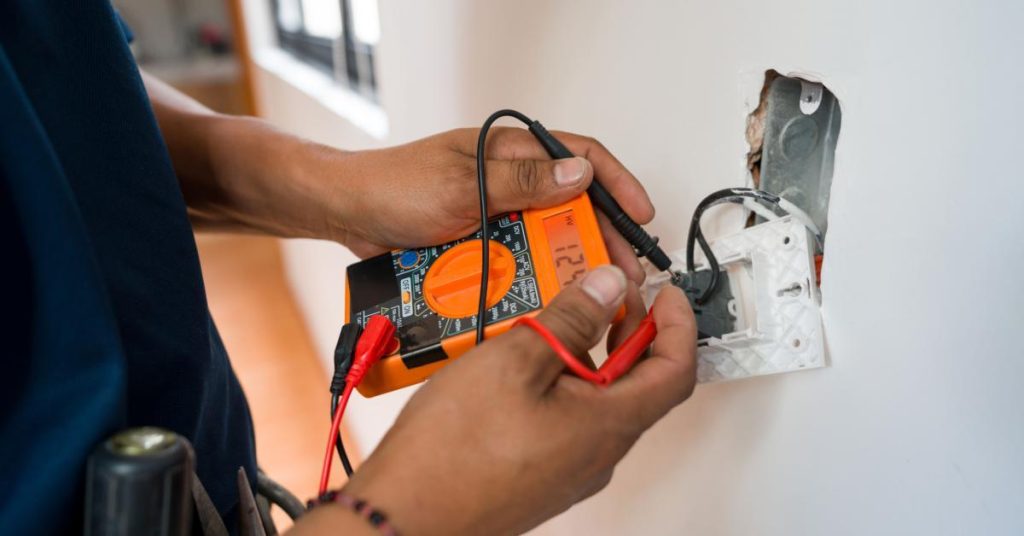
- Electrical safety
- Damp and mould issues
Quick maintenance responses help protect your property and tenant relationships.
7. Stay Updated on UK Landlord Laws
Landlord regulations continue to evolve in 2026.
Recent changes include:
- Renters’ Rights Act updates
- Changes to tenancy structures
- Increased tenant protections
- Compliance and documentation requirements
Staying informed is essential for avoiding legal issues.
Simple Summary
To become a landlord in the UK, you need to:
- Prepare your property
- Understand legal responsibilities
- Budget for costs
- Find good tenants
- Manage maintenance properly
Successful landlords focus on organisation, compliance, and good communication.
Useful UK Links
UK Government Renting Out a Property Guide
NRLA Landlord Resources
Shelter UK Private Renting Advice
HSE Gas Safety for Landlords
MoneyHelper Buy-to-Let Guide