
How to Self-Manage a Rental Property (UK Guide 2026)
A practical step-by-step guide for landlords who want to manage their own rental property without using a letting agent.
Many landlords choose to self-manage their rental properties to save money and maintain full control over their investment.
While self-management can reduce ongoing costs, it also means taking responsibility for tenant communication, legal compliance, maintenance, rent collection, and property inspections.
For landlords willing to invest the time, self-management can be highly rewarding and financially beneficial.
This guide explains how to successfully self-manage a rental property in the UK while remaining compliant with landlord legislation.

What Does Self-Managing a Rental Property Mean?
Self-management means the landlord handles all aspects of the tenancy rather than hiring a letting agent.
Responsibilities typically include:
- Marketing the property
- Conducting viewings
- Referencing tenants
- Creating tenancy agreements
- Protecting deposits
- Collecting rent
- Managing repairs
- Conducting inspections
- Handling tenant communication
- Staying compliant with regulations
Many successful landlords self-manage one or several properties using a combination of organisation, technology, and reliable contractors.
Why Do Landlords Choose Self-Management?
Benefits of Self-Managing
Lower Costs
One of the biggest advantages is avoiding management fees.
Many letting agents charge:
- Tenant-find fees
- Monthly management fees
- Renewal fees
- Inspection fees
By self-managing, landlords retain more of their rental income.
Greater Control
Self-managing allows you to:
- Select tenants directly
- Approve repairs personally
- Respond quickly to issues
- Build stronger tenant relationships
Better Knowledge of the Property
Regular involvement helps landlords understand:
- Property condition
- Maintenance requirements
- Tenant concerns
- Investment performance
Step 1: Understand Your Legal Responsibilities
Before renting out a property, landlords must comply with UK legislation.
Key requirements may include:
Gas Safety Certificate
Annual inspection by a Gas Safe registered engineer.
Electrical Safety Report (EICR)
Typically required every five years.
Energy Performance Certificate (EPC)
Required before marketing the property.
Smoke and Carbon Monoxide Alarms
Must meet current legal requirements.
Right to Rent Checks
Required for landlords in England.
Useful guidance:
Step 2: Prepare the Property
First impressions matter.
Before advertising, ensure the property is:
✔ Clean
✔ Safe
✔ Well maintained
✔ Professionally presented
Check:
- Heating systems
- Plumbing
- Lighting
- Appliances
- Locks and security
- Garden areas
A well-presented property generally attracts better-quality tenants.
Step 3: Advertise the Property
Create a professional listing that includes:
- High-quality photographs
- Accurate property description
- Rental price
- Local amenities
- Transport links
- Available date
Popular advertising platforms include:
Some landlords use online letting platforms to access these portals without employing a full-service agent.
Step 4: Conduct Tenant Referencing
Selecting the right tenant is arguably the most important part of self-management.
Checks should include:
- Employment verification
- Income assessment
- Credit checks
- Previous landlord references
- Right to Rent checks
A strong referencing process can significantly reduce future problems.
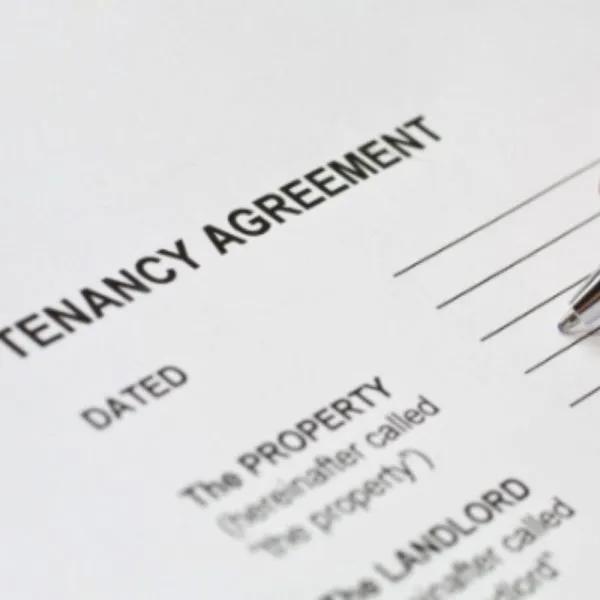
Step 5: Use a Proper Tenancy Agreement
A written tenancy agreement helps protect both parties.
It should clearly outline:
- Rent amount
- Payment date
- Deposit amount
- Tenant responsibilities
- Landlord responsibilities
- Notice requirements
Professional agreements are recommended to ensure legal compliance.
Step 6: Protect the Tenant Deposit
If you take a deposit, it must be protected within an approved scheme.
Government-approved schemes include:
Failure to comply can lead to financial penalties and difficulties regaining possession of the property.
Step 7: Create a Detailed Inventory
An inventory provides evidence of the property's condition at the start of the tenancy.
Include:
- Photographs
- Meter readings
- Furniture condition
- Decoration condition
- Appliance details
This documentation is invaluable if disputes arise at the end of the tenancy.
Step 8: Collect Rent Professionally
Most landlords use:
- Standing orders
- Direct bank transfers
- Automated payment reminders
Keep records of:
- Rent received
- Late payments
- Arrears communication
Good record keeping is essential for both tax and tenancy management purposes.
Step 9: Carry Out Regular Property Inspections
Routine inspections help identify issues early.
Many landlords inspect every:
- 3–6 months
Check for:
- Damp or mould
- Maintenance issues
- Property condition
- Smoke alarm functionality
- Unauthorised occupants
Always provide proper notice before visiting.
Step 10: Manage Repairs Quickly
Prompt repairs help:
✔ Maintain property value
✔ Protect tenants
✔ Prevent larger issues
✔ Reduce complaints
Build relationships with reliable:
- Plumbers
- Electricians
- Gas engineers
- General contractors
- Locksmiths
Having trusted contractors available can make self-management much easier.
Essential Self-Management Systems
Successful landlords often use systems to stay organised.
Track:
- Tenancy documents
- Compliance certificates
- Inspection reports
- Maintenance requests
- Rent payments
- Tax records
Digital storage can simplify administration considerably.
Self-Management Checklist
Before Tenancy
✔ Property prepared
✔ EPC completed
✔ Gas Safety Certificate obtained
✔ EICR completed
✔ Property advertised
✔ Tenant referenced
✔ Deposit protected
✔ Inventory completed
During Tenancy
✔ Rent monitored
✔ Inspections conducted
✔ Repairs completed promptly
✔ Compliance certificates updated
End of Tenancy
✔ Final inspection completed
✔ Deposit assessed fairly
✔ Inventory compared
✔ Property prepared for re-letting
Common Self-Management Mistakes
Avoid these frequent landlord errors:
❌ Skipping tenant referencing
❌ Failing to protect deposits correctly
❌ Poor record keeping
❌ Delaying repairs
❌ Not staying up to date with legislation
❌ Using informal tenancy arrangements
Small mistakes can become expensive problems later.
Is Self-Management Right for You?
Self-management works best for landlords who:
✔ Have good organisational skills
✔ Are comfortable dealing directly with tenants
✔ Have time available for administration
✔ Understand legal responsibilities
✔ Want greater control over their investment
A letting agent may be more suitable if:
- You live far from the property
- You have multiple properties
- You have limited availability
- You prefer a hands-off approach
Key Takeaways
✔ Self-management can significantly reduce costs
✔ Understanding legal responsibilities is essential
✔ Good tenant selection is crucial
✔ Deposit protection is a legal requirement
✔ Regular inspections help prevent costly issues
✔ Fast responses to maintenance requests improve tenant retention
✔ Organisation and record keeping are vital
For many landlords, self-managing a rental property provides greater control, improved profitability, and stronger tenant relationships. With the right systems in place, self-management can be a highly effective alternative to using a letting agent.