Smoke Alarm Regulations for Rental Properties (UK Guide 2026)
Everything landlords need to know about smoke alarm regulations, legal requirements, compliance responsibilities, and tenant safety.
Smoke alarms are one of the simplest and most effective ways to protect tenants from fire-related injuries and fatalities. For UK landlords, installing and maintaining smoke alarms is not only a sensible safety measure it is also a legal requirement.
Failure to comply with smoke alarm regulations can result in financial penalties and may put tenants at serious risk.
This guide explains the current smoke alarm requirements for rental properties, landlord responsibilities, and best practices for maintaining compliance in 2026.
Why Are Smoke Alarms Important?
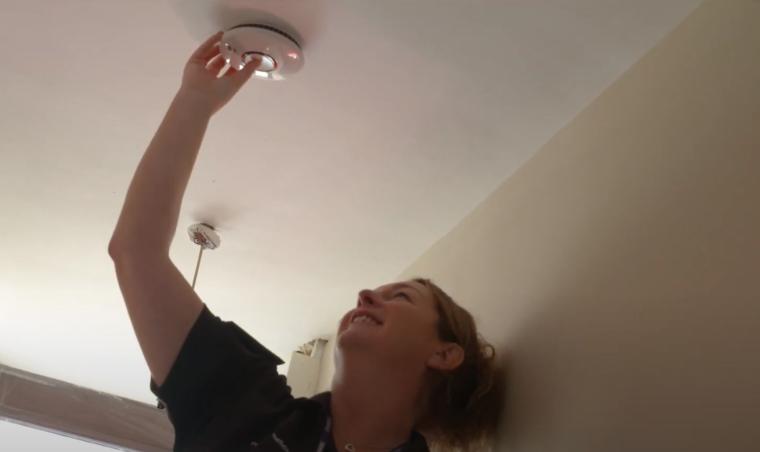
According to fire safety experts, working smoke alarms provide early warning of a fire, giving occupants valuable time to escape.
Benefits include:
✔ Improved tenant safety
✔ Reduced risk of injury or death
✔ Faster emergency response
✔ Legal compliance
✔ Greater peace of mind for landlords
Smoke alarms should be viewed as an essential part of every rental property's safety strategy.
Are Smoke Alarms a Legal Requirement?
Yes.
Landlords in England must comply with smoke alarm regulations under current legislation.
In most rental properties, landlords are required to ensure that smoke alarms are installed and operational.
Useful guidance:
Smoke and Carbon Monoxide Alarm Regulations (Gov.uk)
Where Must Smoke Alarms Be Installed?
Current regulations generally require:
At Least One Smoke Alarm on Every Storey
A smoke alarm must be installed on every storey of the property that is used as living accommodation.
This includes:
✔ Ground floors
✔ First floors
✔ Loft conversions used as living space
✔ Additional residential levels
The aim is to ensure occupants receive adequate warning regardless of where a fire starts.
What Counts as Living Accommodation?
Living accommodation typically includes areas such as:
- Living rooms
- Bedrooms
- Kitchens
- Dining rooms
- Hallways
- Landings
If a floor is used for residential living purposes, a smoke alarm is generally required.
Do Smoke Alarms Need to Be Installed in Every Room?
Not necessarily.
The legal requirement is generally for at least one smoke alarm per storey used as living accommodation.
However, landlords often choose to install additional alarms in:
- Living rooms
- Hallways
- Landings
- Bedrooms
- Kitchens (using suitable alarm types)
Additional alarms can provide enhanced protection.
Landlord Responsibilities
Landlords are responsible for ensuring smoke alarms are installed and working at the start of a tenancy.
Landlord Checklist
✔ Smoke alarms installed correctly
✔ Alarm functioning at start of tenancy
✔ Tenant informed about alarm locations
✔ Records maintained where possible
Testing should be carried out on the first day of the tenancy or when the tenant moves in.
What Are Tenants Responsible For?
Once the tenancy has started, tenants are generally responsible for:
✔ Regular testing during occupancy
✔ Replacing batteries where applicable
✔ Reporting faults promptly
Landlords should encourage tenants to report any issues immediately.
Hard-Wired vs Battery-Powered Smoke Alarms
Several types of smoke alarms are available.
Battery-Powered Alarms
- Easy to install
- Lower upfront cost
- Require battery maintenance
Sealed Long-Life Battery Alarms
- Batteries typically last up to 10 years
- Reduced maintenance
- Popular for rental properties
Mains-Powered Smoke Alarms
- Connected to the property's electrical system
- Often include battery backup
- Common in newer properties and major refurbishments
Many landlords choose sealed long-life or mains-powered systems to reduce maintenance concerns.
How Often Should Smoke Alarms Be Tested?
At the Start of Every New Tenancy
Landlords must ensure alarms are working when the tenancy begins.
During Routine Inspections
Many landlords check alarms during periodic property inspections.
Tenant Testing
Tenants should test alarms regularly and report any faults.
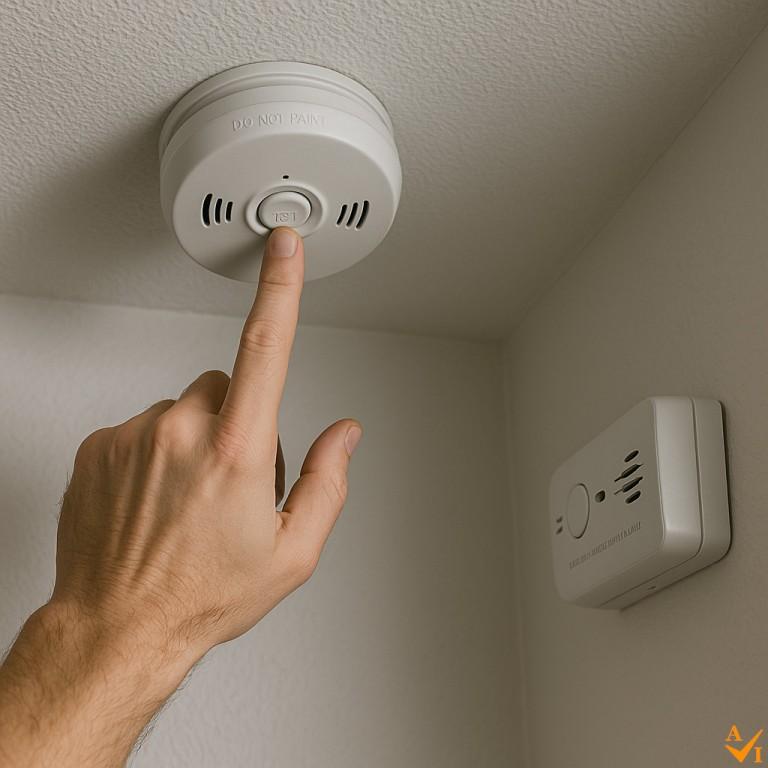
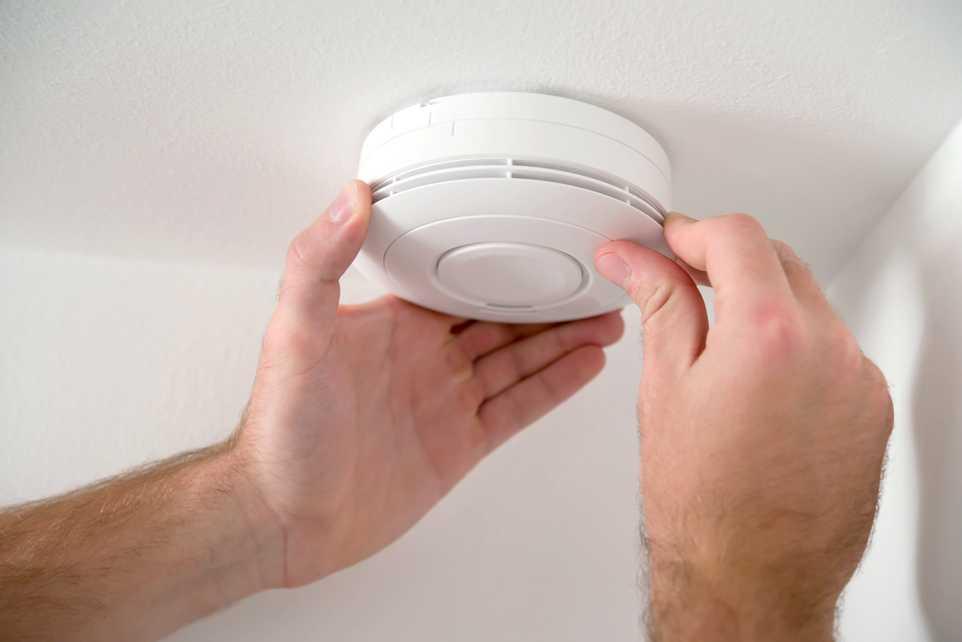
A simple push-button test can confirm basic functionality.
Smoke Alarms and HMOs
If you operate a House in Multiple Occupation (HMO), additional fire safety requirements may apply.
These can include:
- Interlinked alarm systems
- Fire doors
- Emergency lighting
- Enhanced fire detection measures
Requirements vary depending on the property and local authority.
Useful guidance:
What Happens If Landlords Do Not Comply?
Local authorities have enforcement powers where smoke alarm regulations are not followed.
Potential consequences may include:
❌ Financial penalties
❌ Enforcement notices
❌ Increased liability if a fire occurs
❌ Potential insurance complications
Compliance should always be treated as a priority.
Best Practice Fire Safety Tips for Landlords
Beyond the minimum legal requirements, consider:
✔ Installing additional smoke alarms
✔ Using interlinked alarms where appropriate
✔ Keeping records of inspections and testing
✔ Including fire safety information in tenant welcome packs
✔ Reviewing fire safety arrangements regularly
These measures can further improve tenant safety and reduce risk.
Smoke Alarm Compliance Checklist
Before Marketing
✔ Fire safety reviewed
✔ Alarm locations assessed
Before Move-In
✔ Smoke alarms installed on every storey used as living accommodation
✔ Alarms tested and working
✔ Tenants informed
During Tenancy
✔ Alarms checked during inspections
✔ Faults addressed promptly
✔ Records retained
At Renewal or Re-Letting
✔ Alarm functionality re-tested
✔ Batteries replaced if required
✔ Damaged units replaced
Common Mistakes Landlords Make
Avoid these frequent compliance issues:
❌ Missing alarms on upper floors
❌ Failing to test alarms at the start of tenancy
❌ Ignoring tenant reports of faults
❌ Not replacing faulty alarms promptly
❌ Assuming tenants will install alarms themselves
Fire safety should never be overlooked.
Key Takeaways
✔ Smoke alarms are a legal requirement in rental properties
✔ At least one smoke alarm is generally required on every storey used as living accommodation
✔ Landlords must ensure alarms are working at the start of a tenancy
✔ Tenants should report faults and test alarms regularly during occupancy
✔ HMOs may have additional fire safety requirements
✔ Compliance helps protect tenants and reduce landlord risk
Smoke alarms are one of the simplest and most effective safety measures available. By understanding and meeting your legal responsibilities, you can help create a safer environment for tenants while protecting your property investment.