
10 Ways Landlords Can Reduce Property Management Costs
Managing a rental property can be highly rewarding, but ongoing expenses can quickly impact your profits if not carefully controlled. From maintenance and compliance to tenant management and administration, landlords face a range of costs throughout the life of a tenancy.
The good news is that there are several practical ways to reduce property management costs without compromising on tenant satisfaction or legal compliance.
Here are 10 effective strategies that can help landlords save money while keeping their rental properties running smoothly.

1. Prevent Problems with Regular Property Inspections
One of the easiest ways to reduce long-term costs is to identify issues before they become expensive repairs.
Regular inspections can help spot:
- Leaks and damp issues
- Damage caused by wear and tear
- Maintenance concerns
- Safety hazards
Addressing minor problems early can prevent costly repairs in the future and protect the condition of your property.
2. Stay on Top of Compliance Deadlines
Missing compliance deadlines can lead to significant penalties and unexpected expenses.
Landlords should carefully track:
- Gas Safety Certificates
- EICRs (Electrical Installation Condition Reports)
- Energy Performance Certificates (EPCs)
- Smoke and Carbon Monoxide Alarm requirements
Keeping compliance organised helps avoid last-minute emergency bookings and higher service costs.
Useful resource:
Private Renting Guidance – GOV.UK
3. Build Relationships with Reliable Contractors
Having trusted contractors available when needed can save both time and money.
Consider building relationships with:
- Electricians
- Gas engineers
- Plumbers
- General maintenance contractors
Reliable contractors often provide faster service and more competitive pricing for repeat customers.
4. Reduce Void Periods
Every day a property sits empty is lost rental income.
To minimise void periods:
- Respond quickly to enquiries
- Market properties early
- Keep the property well-presented
- Maintain competitive rental pricing
Reducing vacancy periods can have a significant impact on annual profitability.
5. Choose Quality Tenants
A thorough tenant selection process can help reduce costly issues later.
Good tenant referencing can help identify applicants with:
- Stable income
- Positive rental history
- Strong affordability
- Reliable references
Investing time in tenant screening often reduces the risk of rent arrears, property damage, and tenancy disputes.
6. Keep Accurate Records
Poor record-keeping can lead to missed deadlines, duplicate expenses, and unnecessary administration.
Landlords should keep records of:
- Compliance certificates
- Maintenance history
- Tenancy agreements
- Rent payments
- Inspection reports
Organised documentation makes managing a property far more efficient.
7. Consider Self-Managing Your Property
Many landlords choose to self-manage to avoid ongoing letting agent fees.
While self-management requires more involvement, it can save a significant percentage of monthly rental income.
However, landlords must ensure they remain compliant with all legal obligations and have systems in place to manage their properties effectively.
Related reading:
How Much Does It Cost to Self-Manage a Rental Property?
8. Budget for Maintenance
Unexpected repairs can be stressful and expensive.
Creating a dedicated maintenance fund helps spread costs throughout the year and avoids financial surprises.
Many landlords set aside a percentage of rental income specifically for future repairs and replacements.
Planning ahead can prevent emergency spending and help maintain positive cash flow.
9. Use Technology to Improve Efficiency
Managing rental properties manually can become time-consuming as portfolios grow.
Property management software can help landlords:
- Track compliance deadlines
- Store important documents
- Manage tenancy information
- Stay organised
Using technology can reduce administration time and minimise the risk of missed obligations.
10. Review Expenses Regularly
Many landlords continue paying for services they no longer need or fail to compare supplier costs regularly.
Review expenses annually, including:
- Insurance policies
- Utility contracts (where applicable)
- Maintenance providers
- Software subscriptions
Small savings across multiple areas can make a noticeable difference to overall profitability.
How 360Rent Can Help Reduce Property Management Costs
Staying organised is one of the simplest ways to reduce unnecessary expenses.
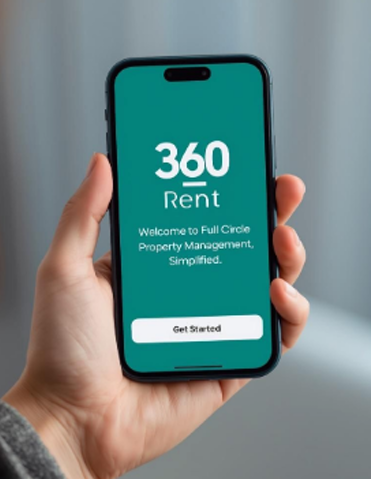
360Rent helps landlords manage compliance deadlines, tenancy documents, and property information in one central location.
By reducing administrative workload and helping landlords stay compliant, 360Rent can help save both time and money while supporting more efficient property management.
Final Thoughts
Reducing property management costs is not about cutting corners—it's about improving efficiency, planning ahead, and staying organised.
By conducting regular inspections, staying compliant, choosing quality tenants, and using the right tools, landlords can significantly improve profitability while maintaining a high standard of property management.
Whether you manage one property or a growing portfolio, implementing these simple strategies can help you maximise returns and minimise unnecessary expenses.