

Tenant Referencing Explained
Finding the right tenant is one of the most important responsibilities of being a landlord. While no screening process can completely eliminate risk, thorough tenant referencing can help landlords make informed decisions and reduce the likelihood of rent arrears, property damage, or tenancy disputes.
Whether you're a first-time landlord or managing a large property portfolio, understanding tenant referencing is essential for protecting your investment.
In this guide, we'll explain what tenant referencing involves, why it matters, and what landlords should look for when assessing potential tenants.
What Is Tenant Referencing?
Tenant referencing is the process of verifying information provided by a prospective tenant before agreeing to a tenancy.
The goal is to assess whether an applicant is likely to:
- Pay rent on time
- Maintain the property responsibly
- Meet the terms of the tenancy agreement
- Provide reliable long-term occupancy
Tenant referencing helps landlords reduce risk and improve the chances of securing a successful tenancy.
What Does Tenant Referencing Include?
1. Identity Verification
The first step is confirming the tenant's identity.
Typical documents include:
- Passport
- Driving licence
- Government-issued identification
This helps verify that applicants are who they claim to be.
2. Employment Checks
Employment verification helps establish whether a tenant has a stable source of income.
Checks may include:
- Employer references
- Employment contracts
- Recent payslips
- Proof of employment
Landlords often look for tenants whose income comfortably exceeds their monthly rent obligations.
3. Affordability Assessment
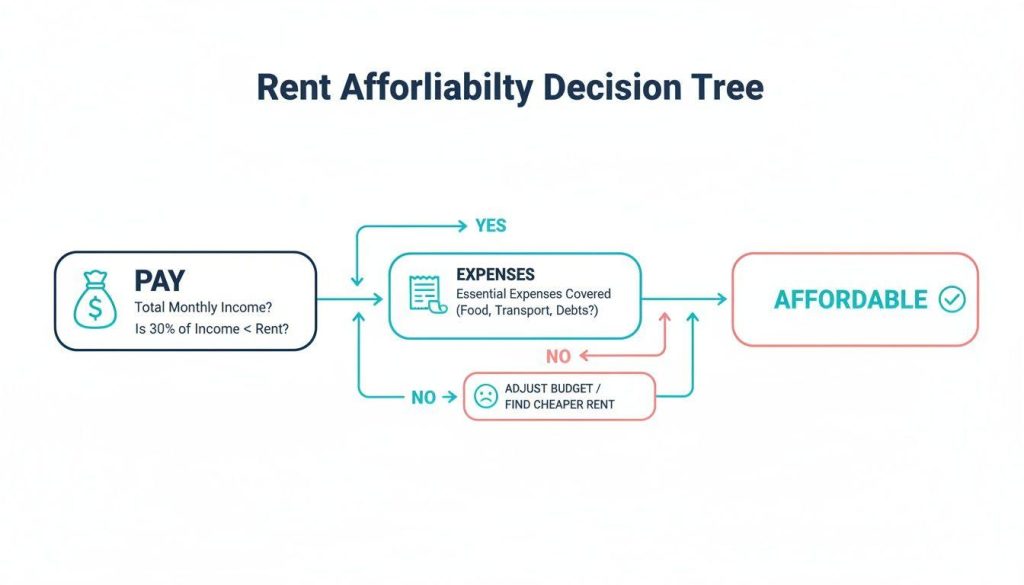
Affordability checks help determine whether tenants can reasonably afford the rent.
Many referencing providers use income-to-rent ratios when assessing affordability.
This can help reduce the risk of future rent arrears.
4. Credit Checks
Credit checks are commonly included in tenant referencing.
These checks may reveal:
- County Court Judgments (CCJs)
- Bankruptcy records
- Debt issues
- Credit history
A poor credit history does not always mean an applicant should be rejected, but it may indicate additional risk that requires further consideration.
5. Previous Landlord References
A previous landlord can often provide useful insights into a tenant's rental history.
Questions may include:
- Was rent paid on time?
- Was the property well maintained?
- Were there any disputes?
- Would the landlord rent to the tenant again?
This information can help landlords identify reliable applicants.
6. Right to Rent Checks
In England, landlords are legally required to verify that tenants have the right to rent property in the UK.
Official guidance is available here:
Failure to carry out these checks correctly can result in significant penalties.
Can Landlords Carry Out Referencing Themselves?
Yes, many self-managing landlords conduct their own referencing.
However, professional referencing services can offer:
- Faster processing
- Credit reports
- Employment verification
- Fraud detection checks
- Comprehensive screening reports
Many landlords find professional referencing provides additional reassurance.
What Happens If a Tenant Fails Referencing?
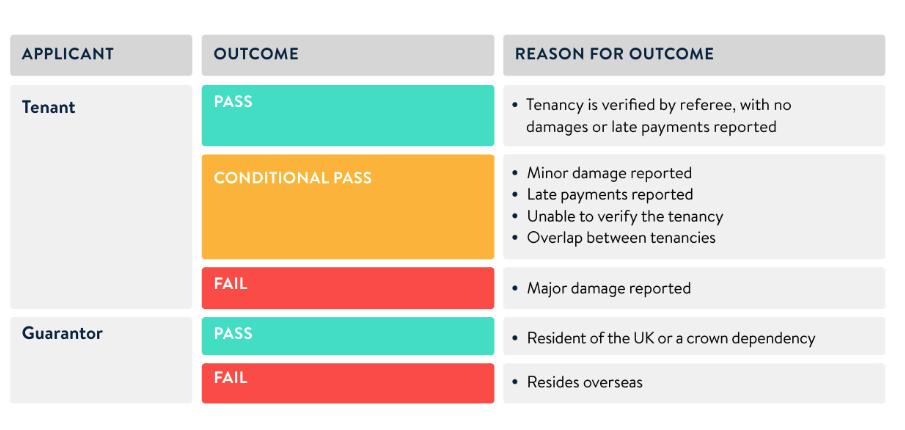
A failed reference does not automatically mean a tenancy cannot proceed.
Possible solutions may include:
Using a Guarantor
A guarantor agrees to cover rent payments if the tenant fails to do so.
Paying Rent in Advance
Some landlords may accept advance rent payments depending on circumstances and legal considerations.
Additional Verification
Landlords may request further evidence of income or financial stability.
Every application should be assessed fairly and consistently.
Warning Signs During Referencing
While each situation is unique, landlords may wish to investigate further if they identify:
- Inconsistent information
- Missing documentation
- Unverifiable employment
- Negative landlord references
- Significant rent arrears history
Careful assessment can help reduce future risks.
Common Referencing Mistakes Landlords Make
Skipping References to Fill a Vacancy Quickly
A short void period is often less costly than dealing with a problematic tenant.
Focusing Only on Credit Scores
Credit history is important, but employment stability and rental history are equally valuable.
Failing to Verify Information
Always verify information directly where possible.
Not Keeping Records
Maintain clear records of checks conducted and decisions made.
How Tenant Referencing Protects Landlords
Effective referencing can help:
- Reduce rent arrears
- Improve tenant quality
- Lower tenant turnover
- Protect rental income
- Reduce legal disputes
- Increase long-term profitability
For many landlords, referencing is one of the most important steps in the letting process.
Final Thoughts
Tenant referencing is a crucial part of successful property management.
By verifying identity, employment, affordability, rental history, and legal eligibility, landlords can make more informed decisions and significantly reduce risk.
While no process guarantees a perfect tenant, thorough referencing provides valuable insight and helps create a stronger foundation for a successful tenancy.
Investing time in proper tenant checks today can help prevent costly problems tomorrow.
Useful Resources
- GOV.UK – Right to Rent Checks
- GOV.UK – Renting Out Your Property
- Propertymark
- National Residential Landlords Association (NRLA)
- OpenRent Referencing Services