

What Landlord Insurance Covers (And Doesn't)
Owning a rental property can be a great investment, but it also comes with risks. From property damage and tenant disputes to loss of rental income, unexpected issues can quickly become expensive.
Many landlords assume standard home insurance is enough, but this is often not the case. Specialist landlord insurance is designed specifically for rental properties and provides protection that ordinary homeowners' policies typically do not.
In this guide, we'll explain exactly what landlord insurance covers, what it doesn't cover, and how landlords can choose the right level of protection.
What Is Landlord Insurance?
Landlord insurance is a specialist insurance policy designed for property owners who rent out residential or commercial properties.
Unlike standard home insurance, landlord insurance considers the additional risks associated with tenants, rental income, and legal responsibilities.
Whether you own a single buy-to-let property or a portfolio of rentals, having adequate cover can help protect both your property and your finances.

What Does Landlord Insurance Typically Cover?
1. Buildings Insurance
This is usually the foundation of any landlord insurance policy.
Buildings insurance covers damage to the structure of the property caused by events such as:
- Fire
- Flooding
- Storm damage
- Subsidence
- Burst pipes
- Vandalism
- Impact damage
Covered items may include:
- Walls
- Roof
- Floors
- Windows
- Permanent fixtures
- Garages
- Outbuildings
2. Landlord Contents Insurance
If you rent a furnished or part-furnished property, contents insurance may protect:
- Furniture
- Sofas
- Beds
- Appliances
- Carpets
- Curtains
- White goods
This cover protects items owned by the landlord, not the tenant's personal belongings.
3. Loss of Rent Cover
If the property becomes uninhabitable due to an insured event, loss of rent cover may compensate landlords for lost rental income.
Examples include:
- Fire damage
- Major flood damage
- Structural damage
This can help maintain cash flow while repairs are completed.
4. Property Owners' Liability Insurance
Liability cover protects landlords if someone is injured on their property and the landlord is found legally responsible.
Examples may include:
- A visitor slipping on a dangerous staircase
- Injury caused by faulty fixtures
- Accidents resulting from poor property maintenance
Legal claims can be costly, making liability insurance one of the most valuable aspects of landlord cover.
5. Alternative Accommodation Costs
If tenants cannot remain in the property due to an insured event, some policies will pay for temporary accommodation while repairs are carried out.
This can help landlords meet their obligations and maintain positive tenant relationships.
6. Accidental Damage Cover
Some insurers offer optional accidental damage protection.
Examples include:
- Broken windows
- Damaged kitchen units
- Accidental damage to fixtures and fittings
Coverage varies significantly between providers.
7. Legal Expenses Cover
Many insurers offer optional legal protection.
This may help cover costs relating to:
- Tenant eviction proceedings
- Rent recovery
- Property disputes
- Legal representation
- Contract disputes
For many landlords, legal expenses cover provides valuable peace of mind.
8. Rent Guarantee Insurance
Some policies offer rent guarantee protection.
This can provide compensation if tenants stop paying rent and may also include legal assistance to recover arrears.
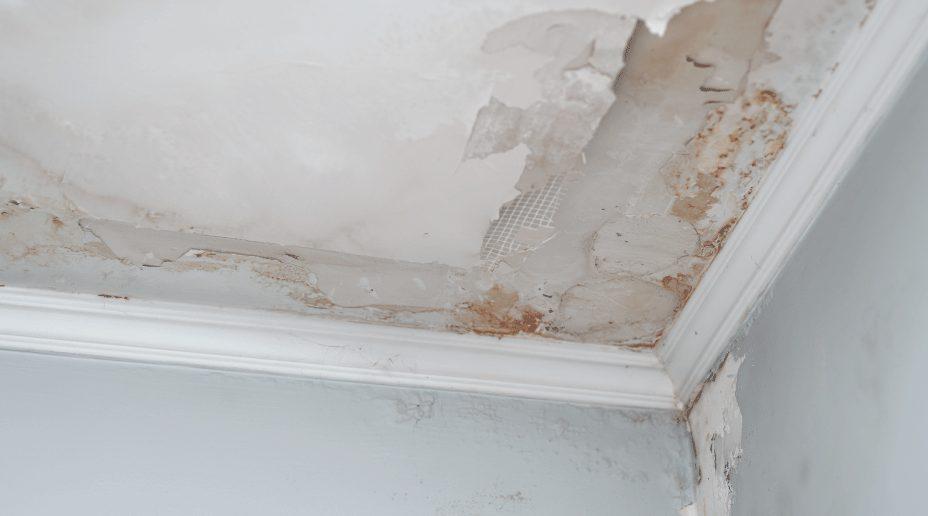
What Landlord Insurance Usually Doesn't Cover
Understanding exclusions is just as important as understanding what is covered.
Tenant Belongings
A landlord's policy does not usually cover:
- Tenant furniture
- Electronics
- Clothing
- Personal possessions
Tenants should arrange their own contents insurance.
General Wear and Tear
Insurance is designed for sudden events, not gradual deterioration.
Examples include:
- Old carpets wearing out
- Faded paint
- Ageing boilers
- Routine maintenance issues
Landlords remain responsible for ongoing property maintenance.
Deliberate Damage by the Landlord
Intentional acts are generally excluded from insurance policies.
Vacant Properties
Many policies limit cover if a property remains empty for a prolonged period.
Vacancy periods often require insurers to be notified.
Poor Maintenance
Claims may be rejected where damage results from:
- Neglected repairs
- Ongoing leaks
- Structural defects
- Failure to maintain the property
Regular inspections can help prevent issues.
Certain Types of Tenant Damage
Some policies exclude malicious tenant damage unless additional cover has been purchased.
Always check policy wording carefully.
Why Standard Home Insurance May Not Be Enough
Many standard homeowner insurance policies are intended for owner-occupied homes.
If you rent out a property without informing your insurer, your policy could become invalid.
Landlords should always ensure they have appropriate specialist cover for rental properties.
How Much Does Landlord Insurance Cost?
The cost of landlord insurance depends on factors such as:
- Property location
- Property value
- Property type
- Number of tenants
- Level of cover selected
- Claims history
Premiums can vary significantly between providers, making it worthwhile to compare policies carefully.
How to Choose the Right Landlord Insurance
When comparing policies, consider:
✓ Buildings cover limits
✓ Contents cover limits
✓ Property owners' liability levels
✓ Loss of rent protection
✓ Legal expenses cover
✓ Accidental damage cover
✓ Tenant damage protection
✓ Excess amounts
Choosing the cheapest policy is not always the best option if important protections are missing.
Tips for Reducing Insurance Costs
Landlords may be able to reduce premiums by:
- Installing approved security systems
- Maintaining the property regularly
- Conducting tenant referencing
- Increasing voluntary excess levels
- Comparing multiple insurers
- Bundling policies where appropriate
Final Thoughts
Landlord insurance is an important safeguard for protecting your property investment, rental income, and legal responsibilities.
While policies can cover building damage, landlord contents, liability claims, and loss of rent, they generally do not cover routine wear and tear, tenant belongings, or maintenance-related issues.
Understanding exactly what is and isn't covered can help landlords avoid costly surprises and ensure they have the right protection in place.