
What Makes a Good Tenant?
One of the biggest factors in a successful tenancy isn't the property it's the tenant.
A good tenant can help protect your investment, pay rent consistently, maintain the property, and reduce the stress that often comes with managing rental properties. On the other hand, choosing the wrong tenant can lead to rent arrears, property damage, legal disputes, and costly void periods.
So, what exactly makes a good tenant?
In this guide, we'll explore the qualities landlords should look for when assessing prospective tenants and how careful tenant selection can improve the profitability of a rental property.
Why Good Tenants Matter
The right tenant can provide:
- Consistent rental income
- Fewer maintenance issues
- Better communication
- Longer tenancies
- Reduced turnover costs
- Lower risk of disputes
For many landlords, securing a reliable tenant is one of the most important factors in achieving long-term success.
1. They Pay Rent on Time
Perhaps the most obvious characteristic of a good tenant is paying rent consistently and on time.
Reliable rent payments help landlords:
- Meet mortgage obligations
- Manage cash flow
- Plan property maintenance
- Avoid financial stress
A history of timely rent payments is often one of the strongest indicators of a dependable tenant.
2. They Look After the Property
Good tenants treat a rental property with care and respect.
This doesn't mean landlords should expect perfection, but responsible tenants typically:
- Keep the property clean
- Report maintenance issues promptly
- Avoid unnecessary damage
- Follow tenancy agreements
Looking after a property benefits both the tenant and the landlord.

3. They Communicate Clearly
Strong communication is often overlooked but extremely important.
Good tenants usually:
- Respond to messages promptly
- Notify landlords about maintenance issues
- Ask questions when unsure
- Communicate professionally
Effective communication can prevent small issues from becoming larger problems.
4. They Have Stable Income
A stable source of income often provides reassurance that rent payments can be maintained throughout the tenancy.
Landlords frequently look for tenants who can demonstrate:
- Regular employment
- Consistent earnings
- Financial stability
This is why employment verification and affordability checks form an important part of tenant referencing.
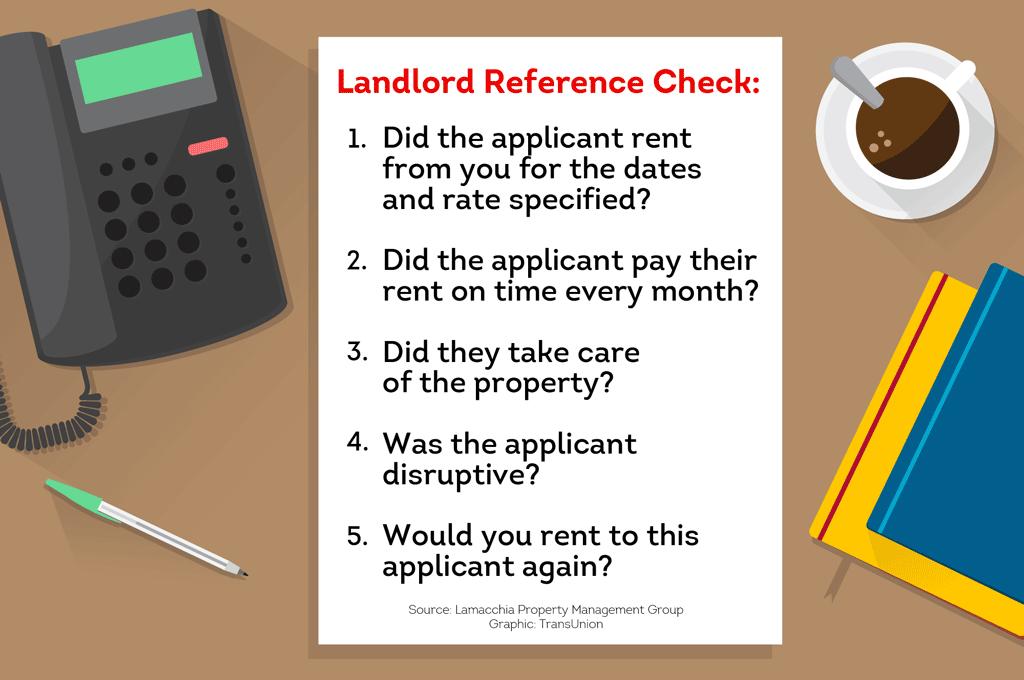
5. They Have Positive References
Previous landlord references can provide valuable insight.
Positive references may indicate that a tenant:
- Paid rent on time
- Maintained the property well
- Respected neighbours
- Followed tenancy terms
Past behaviour can often help predict future behaviour.
6. They Respect the Tenancy Agreement
A tenancy agreement sets out the responsibilities of both landlord and tenant.
Good tenants generally:
- Understand the agreement
- Follow property rules
- Respect notice requirements
- Meet their obligations
Clear expectations help create a positive tenancy experience for everyone involved.
7. They Are Honest During the Application Process
Honesty is a key trait of a reliable tenant.
Good applicants typically provide:
- Accurate employment details
- Genuine references
- Correct identification documents
- Honest information about their circumstances
Transparency helps build trust from the beginning of the tenancy.
8. They Plan to Stay Long-Term
Long-term tenants can offer significant benefits to landlords.
These include:
- Reduced void periods
- Lower advertising costs
- Fewer tenant turnover expenses
- More predictable rental income
While no landlord can guarantee how long a tenant will stay, applicants seeking stability are often highly desirable.
9. They Report Problems Early
A leaking tap or minor maintenance issue may seem insignificant initially.
However, small issues can become costly repairs if ignored.
Good tenants generally:
- Report problems quickly
- Cooperate with repairs
- Help prevent further damage
This proactive approach protects both the property and the tenancy.
10. They Respect Neighbours and the Community
Responsible tenants often contribute positively to the surrounding community.
This can help reduce:
- Complaints
- Anti-social behaviour issues
- Neighbour disputes
Maintaining good relationships with neighbours can benefit the property and landlord reputation.
What Doesn't Necessarily Make a Bad Tenant?
It's important not to make assumptions based solely on:
- Age
- Employment type
- Whether someone is self-employed
- First-time renters
- Students
- Credit history alone
Every application should be assessed fairly and individually using consistent referencing procedures and legal requirements.
How Landlords Can Find Good Tenants
To improve the chances of finding reliable tenants:
Advertise Professionally
Quality listings attract quality applicants.
Conduct Thorough Referencing
Verify:
- Identity
- Employment
- Affordability
- Rental history
Complete Right to Rent Checks
Guidance is available here:
Take Time to Assess Applications
Avoid rushing decisions simply to fill a vacancy.
Why Good Tenants Increase Profitability
Reliable tenants can help landlords:
- Reduce rent arrears
- Minimise property damage
- Lower maintenance costs
- Avoid legal disputes
- Reduce tenant turnover
- Improve long-term returns
In many cases, choosing the right tenant can have a greater impact on profitability than increasing rent.
Final Thoughts
A good tenant is about much more than simply paying rent.
The best tenants communicate well, respect the property, maintain positive relationships, and contribute to a successful long-term tenancy.
By conducting thorough referencing, verifying information carefully, and taking the time to assess applicants properly, landlords can greatly improve their chances of finding tenants who protect both their property and their investment.
For landlords, finding the right tenant is one of the smartest decisions they can make.
Useful Resources
- GOV.UK – Right to Rent Checks
- GOV.UK – Renting Out Your Property
- Propertymark
- National Residential Landlords Association (NRLA)
- OpenRent