
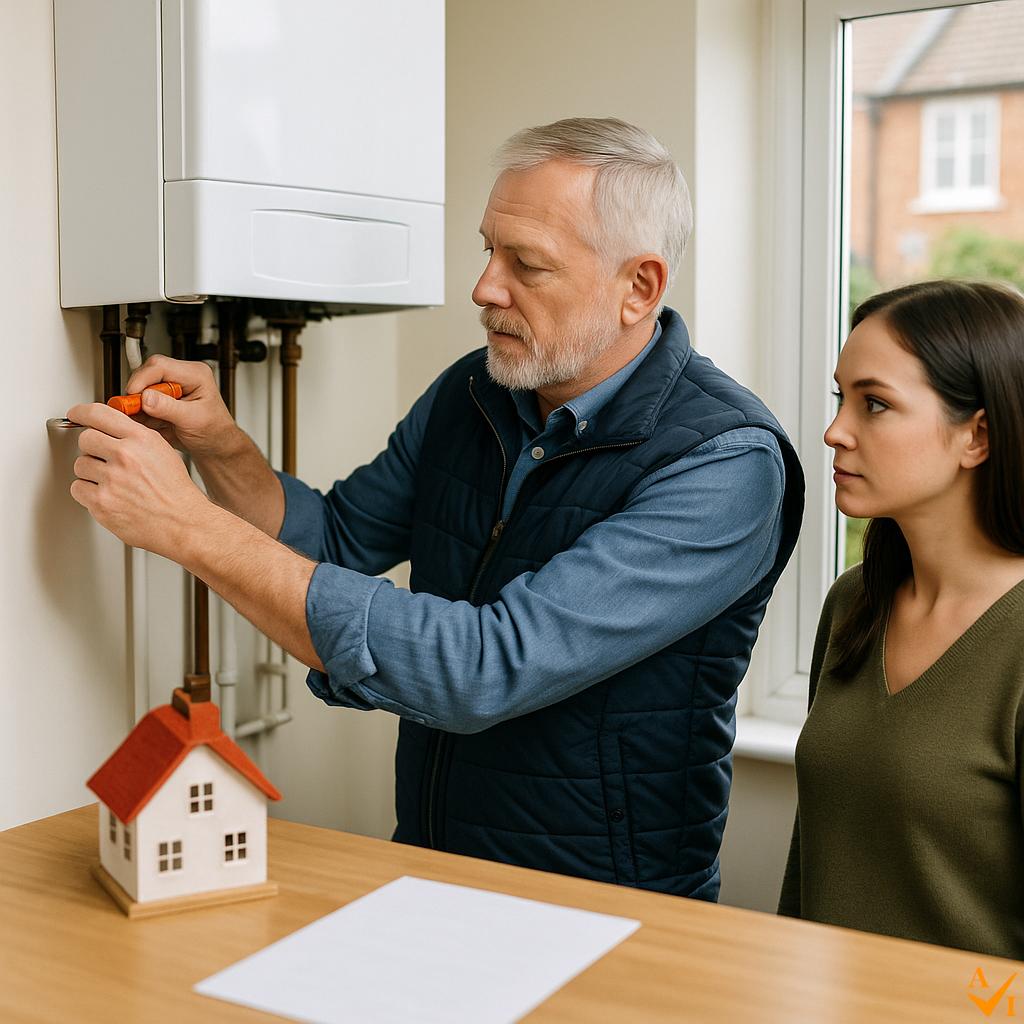
Gas Safety Certificate Rules Explained for UK Landlords (2026 Guide)
If you are a landlord in the UK, understanding your legal responsibilities around gas safety is essential.
A valid Gas Safety Certificate is not only a legal requirement for rented properties with gas appliances, but it is also a key part of protecting tenants and maintaining compliance.
In this guide, we explain everything UK landlords need to know about Gas Safety Certificates, including legal requirements, how often checks are needed, costs, penalties, and best practices.
What Is a Gas Safety Certificate?
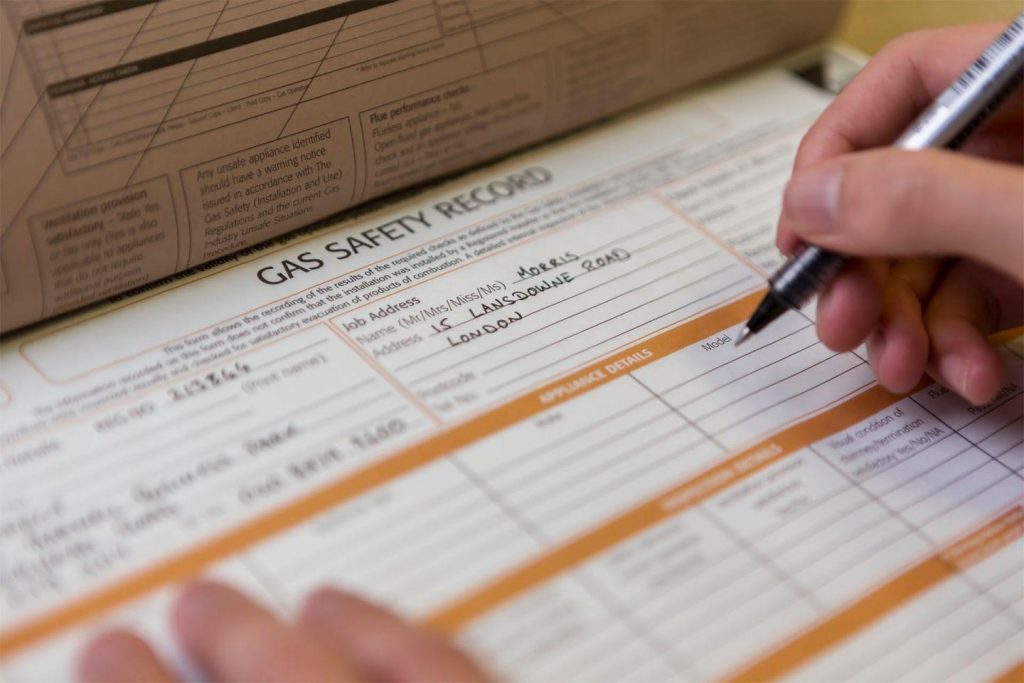
A Gas Safety Certificate, also known as a CP12 certificate, is an official record confirming that gas appliances, fittings, and flues within a rental property have been checked by a Gas Safe registered engineer.
The inspection helps ensure that gas installations are safe and working correctly.
The certificate typically includes:
- Details of the property
- Name and registration number of the engineer
- Date of inspection
- Results of safety checks
- Any identified defects or safety concerns
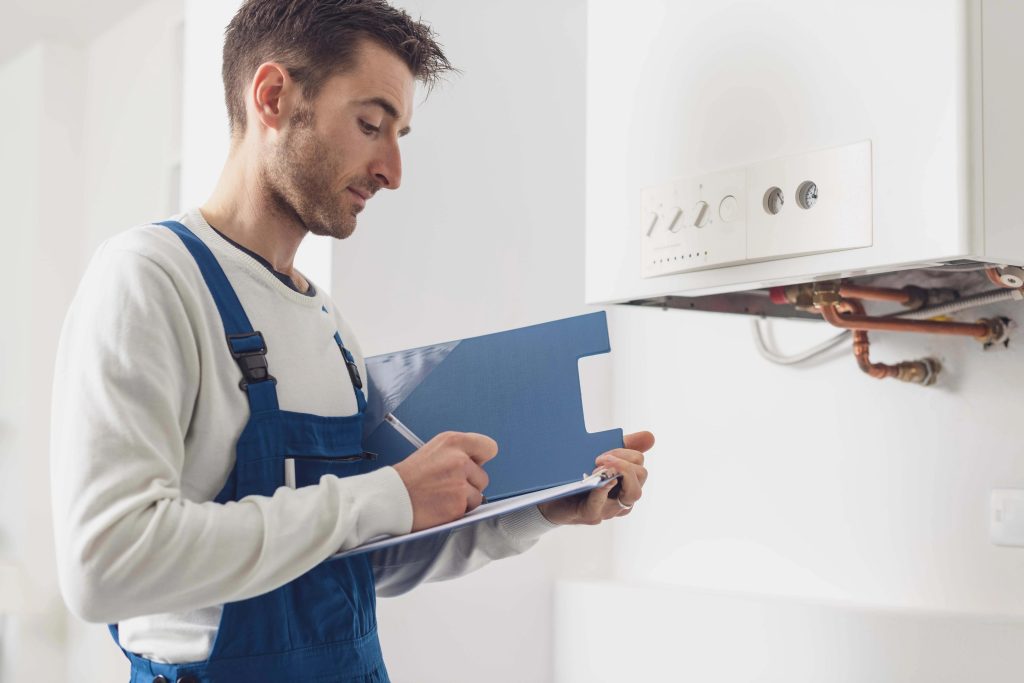
Is a Gas Safety Certificate a Legal Requirement?
Yes.
Under UK law, landlords must arrange an annual gas safety check for any property containing gas appliances or installations.
This applies to:
- Boilers
- Gas cookers
- Gas fires
- Pipework
- Flues
Landlords are legally responsible for ensuring that gas appliances provided within the tenancy remain safe.
How Often Does a Gas Safety Check Need to Be Carried Out?
Gas Safety Certificates must be renewed every 12 months.
Landlords should schedule inspections before the current certificate expires to remain compliant.
You must also:
- Provide tenants with a copy of the certificate within 28 days of the inspection
- Provide new tenants with a copy before they move in
- Keep records for at least two years
Who Can Carry Out a Gas Safety Inspection?
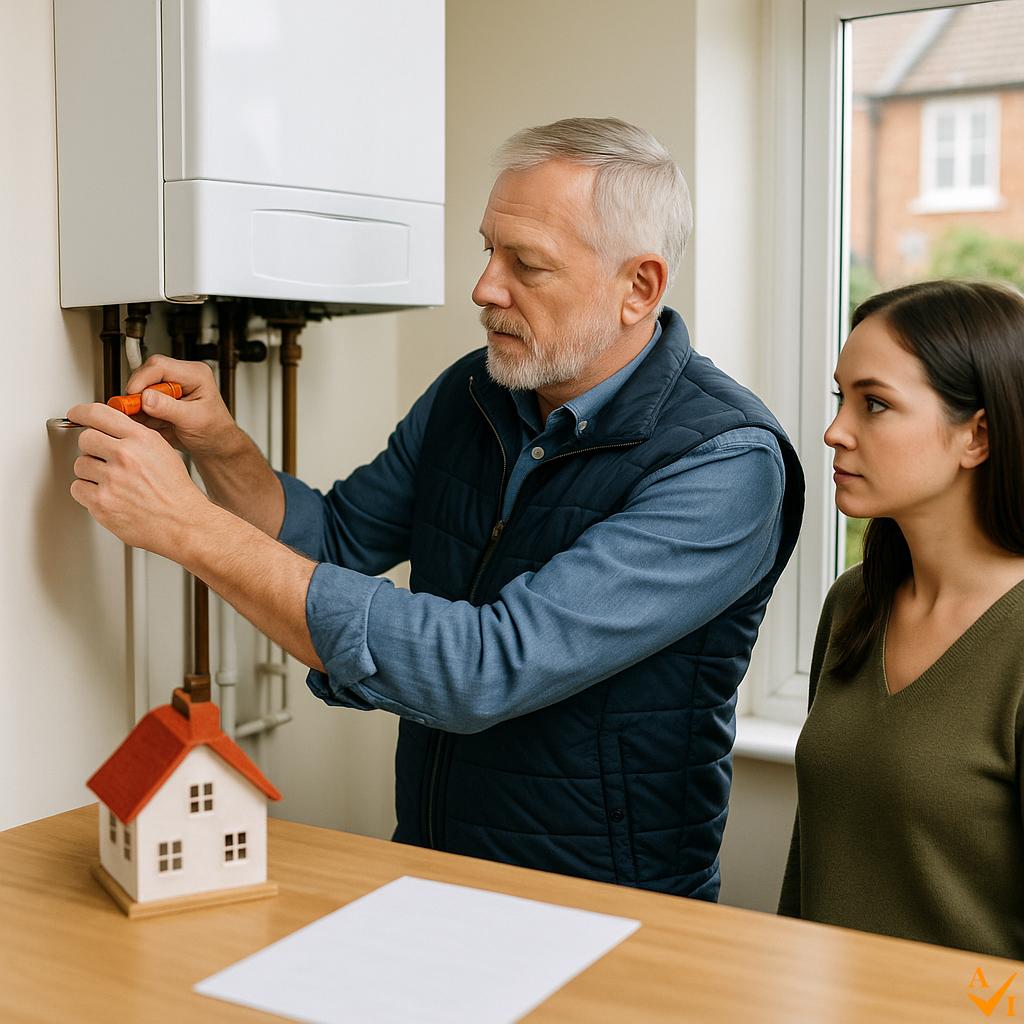
Only engineers registered with the Gas Safe Register can legally perform gas safety checks in the UK.
Before hiring an engineer, landlords should always verify registration credentials.
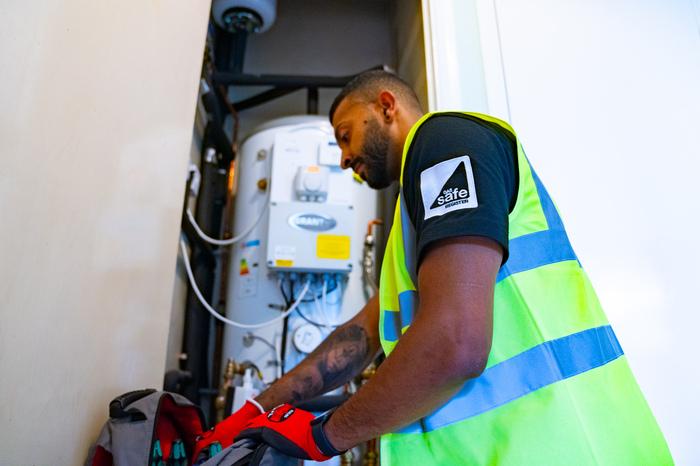
What Happens During a Gas Safety Inspection?
During the inspection, the engineer will check:
- Gas appliances for safe operation
- Ventilation and airflow
- Pipework and flues
- Gas pressure
- Signs of leaks or unsafe installations
- Carbon monoxide risks
If issues are identified, repairs or further investigations may be required before the property can be considered compliant.
How Much Does a Gas Safety Certificate Cost in the UK?
The cost of a Gas Safety Certificate can vary depending on:
- Property size
- Number of gas appliances
- Property location
- Engineer rates
In many cases, landlords can expect to pay between £60 and £120 for a standard inspection.
Some engineers may offer combined packages for boiler servicing and gas safety certification.
What Are the Penalties for Non-Compliance?
Failing to comply with gas safety regulations can result in serious consequences, including:
- Significant fines
- Legal action
- Invalid landlord insurance
- Difficulty serving Section 21 notices
- Potential criminal prosecution in serious cases
Most importantly, failure to maintain gas safety standards can place tenants at serious risk.
Tips for Landlords to Stay Compliant
To stay organised and compliant:
1. Schedule Renewals Early
Avoid last-minute bookings by arranging inspections several weeks before expiry.
2. Keep Digital Records
Store certificates securely and maintain clear records for all properties.
3. Work With Trusted Professionals
Always use Gas Safe registered engineers.
4. Communicate With Tenants
Provide certificates promptly and inform tenants about inspection appointments.
5. Use Property Management Tools
Platforms like 360Rent can help landlords stay organised with property documentation, reminders, and tenant communication.
Final Thoughts
Gas Safety Certificates are one of the most important legal responsibilities for UK landlords.
Staying compliant not only protects tenants but also helps landlords avoid legal risks, financial penalties, and unnecessary stress.
By keeping inspections up to date and maintaining organised records, landlords can manage their properties more confidently and professionally.
Frequently Asked Questions
Can a tenant refuse a gas safety inspection?
Landlords must take reasonable steps to arrange access for inspections. Keeping records of communication attempts is important.
Do landlords need a Gas Safety Certificate for every property?
Yes, each rental property with gas appliances requires its own valid certificate.
How long is a Gas Safety Certificate valid for?
A Gas Safety Certificate is valid for 12 months.
Is a boiler service the same as a Gas Safety Certificate?
No. A boiler service and a gas safety inspection are different, although some engineers offer combined appointments.
Best External Articles to Reference
Official UK Guidance
Gas Safe Register
UK Government Gas Safety Guidance
UK Government – Gas Safety Responsibilities