
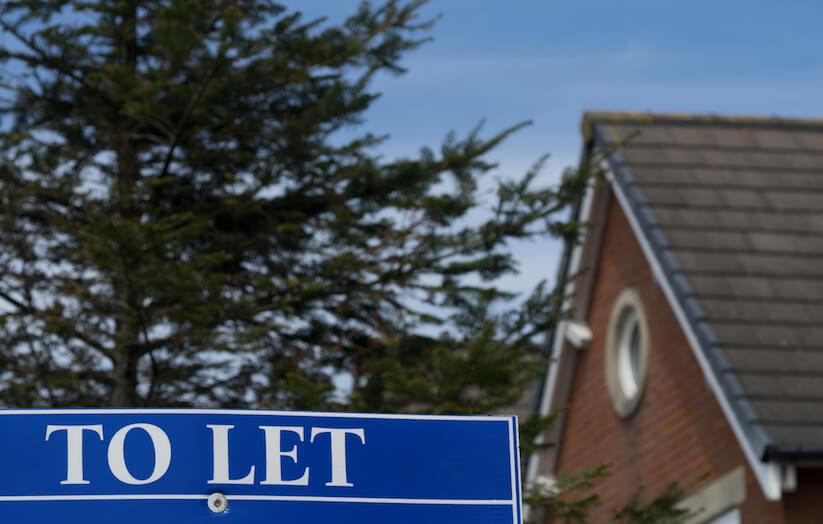
How Empty Properties Cost Landlords Thousands
For many landlords, a vacant rental property is more than just an inconvenience, it can quickly become a major financial burden.
Every week a property sits empty means lost rental income, ongoing expenses, and potential maintenance issues. While many landlords focus on monthly rental returns, the true cost of a void period is often underestimated.
Whether you own a single buy-to-let property or a larger portfolio, understanding the financial impact of empty properties can help you take proactive steps to protect your investment.
What Is a Void Period?
A void period is the time between one tenant moving out and another tenant moving in.
During this period, landlords continue to face many of the same expenses they would incur when the property is occupied but without receiving any rental income.
Even a short vacancy can significantly reduce annual profits.

1. Lost Rental Income
The most obvious cost of an empty property is lost rent.
For example:
- Monthly rent: £1,200
- Vacancy period: 1 month
Lost income: £1,200
If the property remains vacant for several months, losses can quickly escalate.
A two-month vacancy could result in £2,400 of lost income before any additional expenses are considered.
2. Mortgage Payments Continue
Many landlords have buy-to-let mortgages.
Even when a property is vacant:
- Mortgage repayments still need to be made
- Interest continues to accrue
- Lenders expect payments on time
Without rental income, landlords must cover these costs from their own funds.
3. Council Tax Liability
Depending on the local authority and circumstances, landlords may become responsible for council tax during vacant periods.
Many councils have reduced or removed empty property discounts, meaning landlords may face full council tax charges while the property remains unoccupied.
For current guidance, visit:
4. Utility Bills Don't Stop
Even an empty property can generate ongoing utility costs.
Examples include:
- Electricity standing charges
- Water charges
- Gas standing charges
- Broadband contracts
- Security systems
While these costs may appear small individually, they can accumulate over several months.
5. Insurance Costs
Landlord insurance premiums continue regardless of occupancy.
In some cases, insurers impose additional conditions or restrictions if a property remains vacant for an extended period.
Some policies may require:
- Regular inspections
- Water system checks
- Additional security measures
Always review policy terms carefully.

6. Property Maintenance and Repairs
Vacant properties often require maintenance before new tenants move in.
Common expenses include:
- Decorating
- Carpet cleaning
- Garden maintenance
- Appliance servicing
- Minor repairs
A property that presents well is more likely to attract quality tenants quickly.
7. Increased Risk of Damage
Empty properties are often more vulnerable to:
- Vandalism
- Theft
- Squatting
- Water leaks
- Damp and mould issues
Problems can go unnoticed for longer when nobody is living in the property.
Regular inspections can help identify issues before they become costly repairs.
8. Marketing and Advertising Costs
Finding new tenants frequently involves additional expenses such as:
- Professional photography
- Property listings
- Letting agent fees
- Tenant referencing costs
The longer a property remains vacant, the more effort may be required to secure suitable tenants.
9. Reduced Annual Profitability
Many landlords underestimate how a short void period affects annual returns.
Example:
Property rent: £1,200 per month
Annual rental income if fully occupied:
£1,200 × 12 = £14,400
One-month vacancy:
£14,400 - £1,200 = £13,200
This represents an immediate reduction of more than 8% in annual gross rental income before considering other vacancy-related costs.
The Hidden Costs of Long Void Periods
The financial impact extends beyond lost rent.
Extended vacancies may also result in:
- Increased stress
- Cash flow challenges
- Mortgage pressure
- Delayed investment plans
- Reduced return on investment
For portfolio landlords, multiple vacant properties can significantly affect overall profitability.
How Landlords Can Reduce Void Periods
Start Marketing Early
If tenants provide notice, begin advertising as soon as possible.
Early marketing can reduce the gap between tenancies.
Price the Property Competitively
Overpricing often leads to longer vacancies.
Research local rental markets and ensure the asking rent reflects current demand.
Keep the Property Well Maintained
Properties in good condition attract more enquiries and can be let faster.
Focus on:
- Cleanliness
- Decoration
- Energy efficiency
- Kerb appeal
Respond Quickly to Enquiries
Prospective tenants often view multiple properties.
Prompt communication can help secure suitable tenants before competitors do.
Use Professional Photography
High-quality images can significantly improve online listing performance and generate more enquiries.
Why Tenant Retention Matters
Keeping good tenants is often more cost-effective than finding new ones.
Long-term tenants can help landlords:
- Reduce advertising costs
- Avoid repeated referencing fees
- Minimise void periods
- Maintain consistent cash flow
A small investment in tenant satisfaction may save thousands of pounds over time.
Final Thoughts
An empty rental property is rarely cost-free.
Between lost rental income, mortgage payments, utility bills, maintenance costs, insurance, and council tax, even a short vacancy can significantly affect a landlord's profits.
By focusing on tenant retention, proactive marketing, and property maintenance, landlords can minimise void periods and maximise the long-term performance of their investment properties.
Reducing vacancies isn't just about filling a property quickly—it's about protecting profitability and ensuring consistent rental income year after year.
Useful Resources
- GOV.UK – Renting Out Your Property
- GOV.UK – Council Tax Guidance
- Propertymark
- National Residential Landlords Association (NRLA)