

How to Handle Tenant Complaints Professionally
No matter how well a property is managed, tenant complaints are an inevitable part of being a landlord.
From maintenance issues and neighbour disputes to communication concerns and property repairs, how you respond to complaints can have a significant impact on tenant satisfaction, retention, and your reputation as a landlord.
Handled professionally, complaints can strengthen landlord-tenant relationships and prevent small issues from escalating into larger disputes. Handled poorly, they can lead to negative reviews, tenant turnover, legal challenges, and costly void periods.
This guide explains how landlords can deal with tenant complaints effectively, professionally, and in accordance with best practices.
Why Tenant Complaints Should Never Be Ignored
Many complaints begin as minor concerns.
A dripping tap, faulty appliance, or communication issue may seem insignificant initially, but if left unresolved, these problems can lead to:
- Tenant dissatisfaction
- Property damage
- Formal disputes
- Increased maintenance costs
- Early tenancy terminations
- Negative landlord reviews
Addressing concerns promptly often saves both time and money.
Common Tenant Complaints
Landlords frequently receive complaints relating to:
Property Repairs
- Leaking taps
- Boiler problems
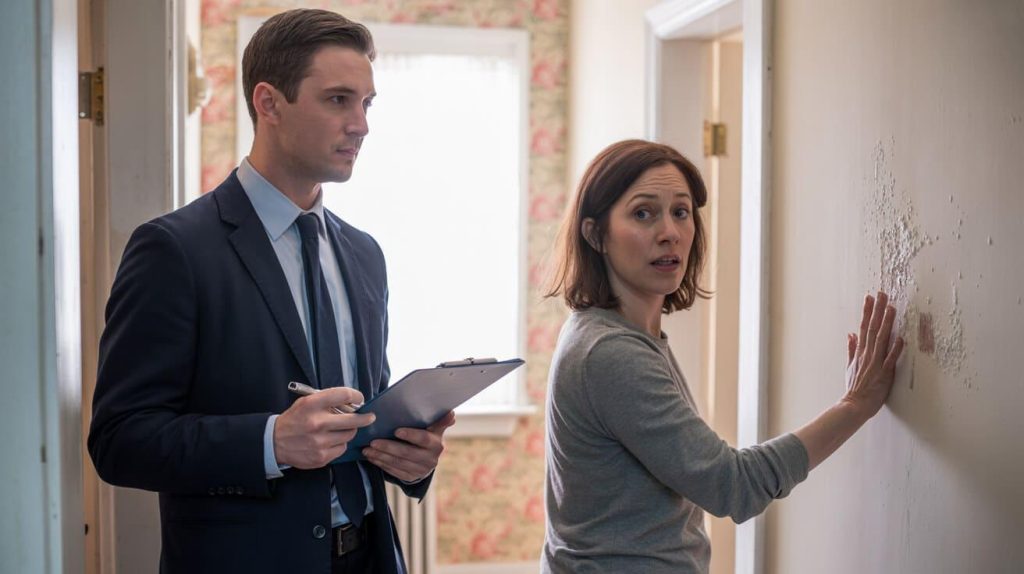
- Damp and mould
- Faulty appliances
- Heating issues
Neighbour Problems
- Excessive noise
- Parking disputes
- Anti-social behaviour
Property Maintenance
- Garden upkeep
- Communal areas
- Cleaning concerns
Communication Issues
- Delayed responses
- Missed appointments
- Lack of updates
Understanding the nature of the complaint helps determine the appropriate response.
1. Respond Promptly
One of the biggest frustrations for tenants is feeling ignored.
Even if a problem cannot be resolved immediately, acknowledge the complaint as soon as possible.
A simple response such as:
"Thank you for bringing this to our attention. We're looking into the matter and will provide an update shortly."
can reassure tenants that their concerns are being taken seriously.
2. Listen Before Reacting
When receiving a complaint:
- Listen carefully
- Avoid becoming defensive
- Ask questions where necessary
- Gather all relevant information
Understanding the full situation helps prevent misunderstandings and ensures a fair response.
3. Keep Records of Complaints
Maintaining accurate records is important for both landlords and tenants.
Document:
- Date of complaint
- Nature of the issue
- Communications exchanged
- Actions taken
- Resolution outcome
Good record-keeping can help if disputes arise later.
4. Assess Whether Immediate Action Is Required
Some complaints require urgent attention.
Examples include:
Emergency Issues
- Gas leaks
- Major water leaks
- Electrical hazards
- Security concerns
Non-Urgent Issues
- Cosmetic repairs
- Minor maintenance
- General enquiries
Prioritising complaints appropriately helps ensure tenant safety while managing resources effectively.
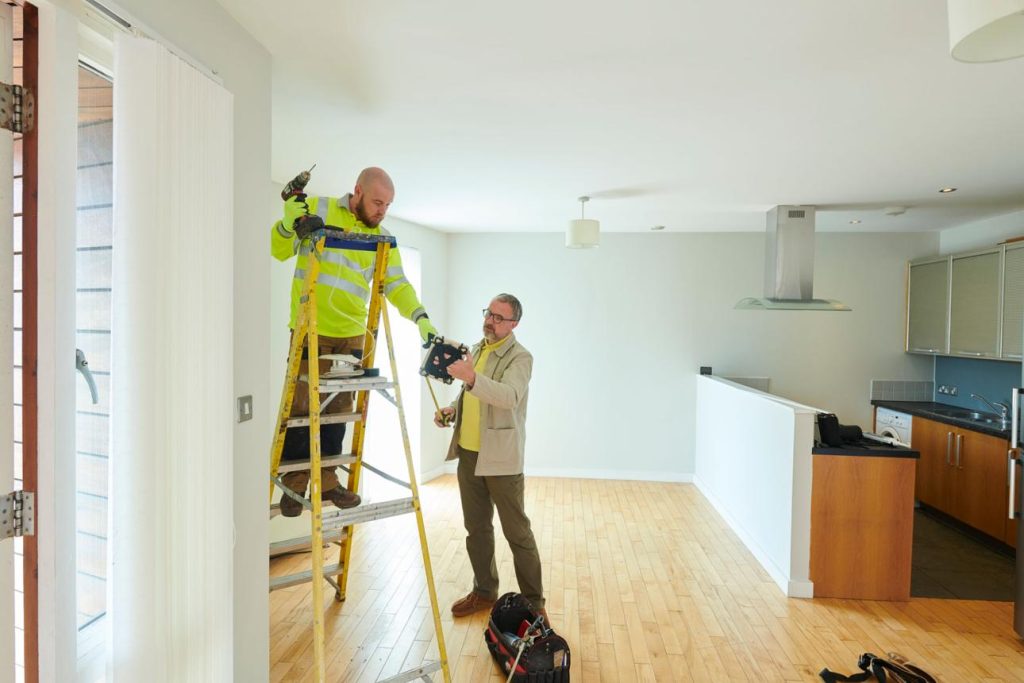
5. Communicate Clearly Throughout the Process
A common mistake is updating tenants only when the issue has been resolved.
Instead, provide regular updates where appropriate.
Tenants generally appreciate knowing:
- What is happening
- When repairs are scheduled
- Any delays encountered
- Expected completion dates
Good communication often prevents frustration.
6. Resolve Problems Fairly and Consistently
Every complaint should be assessed on its individual circumstances.
Avoid:
- Making assumptions
- Favouring certain tenants
- Reacting emotionally
Professionalism and consistency help build trust and reduce disputes.
7. Understand Your Legal Responsibilities
Landlords have legal obligations relating to:
- Property safety
- Repairs
- Gas safety
- Electrical safety
- Housing standards
Useful guidance can be found here:
Understanding your responsibilities can help ensure complaints are handled appropriately.
8. Learn from Repeated Complaints
Recurring complaints can highlight underlying issues.
For example:
- Multiple heating complaints may indicate an ageing boiler.
- Frequent communication concerns may suggest the need for better processes.
- Repeated maintenance requests may point to preventative maintenance opportunities.
Analysing patterns can improve property management over time.
9. Use Technology to Manage Complaints
Many landlords now use property management software to track:
- Maintenance requests
- Communication history
- Contractor appointments
- Complaint resolutions
Digital systems can help improve organisation and response times.
10. Focus on Long-Term Relationships
Tenants who feel respected and listened to are often more likely to:
- Renew tenancies
- Report issues promptly
- Take care of the property
- Recommend landlords to others
Professional complaint handling can contribute directly to tenant retention and property profitability.
Common Mistakes Landlords Should Avoid
❌ Ignoring complaints
❌ Delaying responses unnecessarily
❌ Becoming defensive
❌ Failing to keep records
❌ Making promises that cannot be delivered
❌ Not following up after resolution
Avoiding these mistakes can significantly improve tenant satisfaction.
The Benefits of Professional Complaint Handling
When complaints are managed effectively, landlords can benefit from:
- Better tenant relationships
- Reduced tenant turnover
- Fewer disputes
- Improved reputation
- Lower void periods
- Stronger long-term rental income
Professional communication is often one of the most valuable skills a landlord can develop.
Final Thoughts
Tenant complaints are a normal part of property management, but they don't have to become major problems.
By responding promptly, communicating clearly, documenting issues, and resolving concerns fairly, landlords can build stronger relationships with tenants and create a more positive rental experience.
In many cases, the way a complaint is handled matters just as much as the complaint itself.
Professional complaint management not only protects your reputation—it can also improve tenant retention and increase the long-term success of your rental property business.
Useful Resources
- GOV.UK – Renting Out Your Property
- GOV.UK – Private Renting Guidance
- Propertymark
- National Residential Landlords Association (NRLA)
- The Property Ombudsman