

Tenant Stopped Paying Rent? What Should Landlords Do First? (2026 Guide)
Rent arrears are one of the most stressful situations a landlord can face. Whether you own a single buy-to-let property or manage a larger portfolio, missed rent payments can quickly affect your cash flow and create uncertainty.
The good news is that acting quickly, professionally, and legally can often resolve the issue before it escalates.
In this guide, we'll explain exactly what landlords should do when a tenant stops paying rent and how to protect both their property and investment.
Why Tenants Stop Paying Rent
Before taking action, it's important to understand that not all rent arrears happen for the same reason.
Common causes include:
- Job loss or reduced income
- Illness or family emergencies
- Rising living costs
- Delayed Universal Credit payments
- Relationship breakdowns
- Poor financial management
While landlords need to protect their income, approaching the situation professionally often leads to faster resolutions.
Step 1: Check Whether the Rent Is Actually Late
Sometimes a payment may simply be delayed due to:
- Bank processing issues
- Standing order errors
- Banking holidays
- Administrative mistakes
Review:
- Your tenancy agreement
- Rent schedule
- Bank statements
Confirm the payment has genuinely been missed before contacting the tenant.
Step 2: Contact the Tenant Immediately
The longer rent arrears continue, the harder they become to resolve.
Contact the tenant as soon as possible:
- Phone call
- Text message
- Written letter
Keep communication polite and professional.
Example:
"We noticed your rent payment due on 1st June has not been received. Please contact us as soon as possible to discuss the situation."
Many tenants will respond positively when approached respectfully.
Step 3: Find Out What's Causing the Problem
Open communication can reveal whether the issue is temporary or likely to continue.
Questions to ask:
- Has there been a change in employment?
- Are there benefit payment delays?
- Is the issue short-term or ongoing?
- Can a payment arrangement be made?
Understanding the circumstances helps determine the next steps.
Step 4: Keep Detailed Records
Documentation is essential if the matter later requires legal action.
Keep records of:
- Missed payments
- Emails and letters
- Phone conversations
- Payment agreements
- Rent statements
Good record keeping protects landlords and demonstrates reasonable conduct.
Step 5: Agree a Repayment Plan (If Appropriate)
If the tenant is experiencing temporary financial difficulties, a repayment arrangement may help.
For example:
- Regular rent plus an additional amount each month
- Partial payments with agreed deadlines
- Short-term payment plans
Always confirm arrangements in writing.
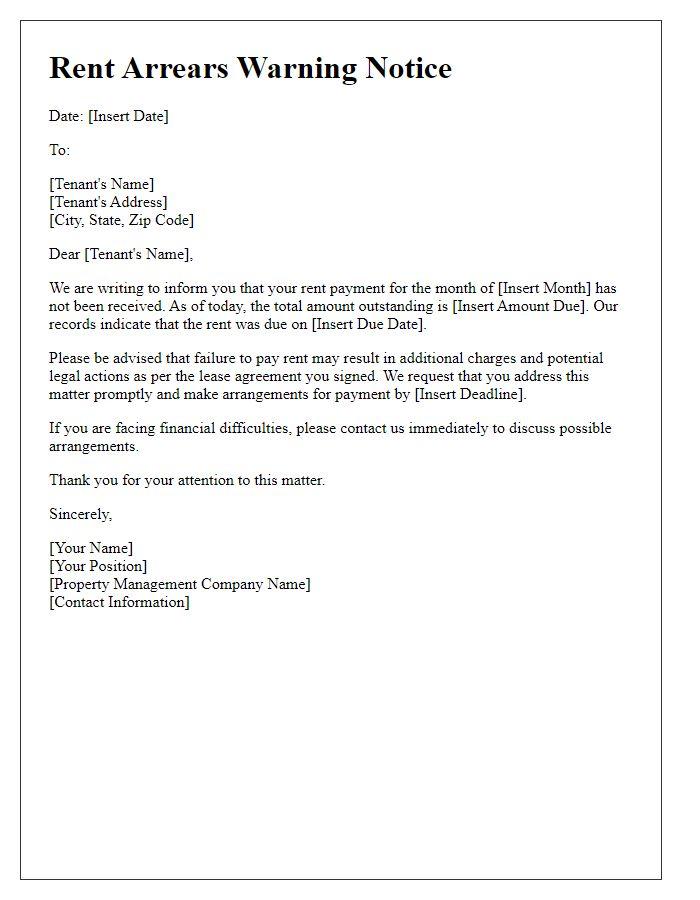
Step 6: Send Formal Rent Arrears Letters
If communication fails or payments continue to be missed, send a formal rent arrears letter.
The letter should include:
- Amount owed
- Missed payment dates
- Payment deadline
- Consequences of continued non-payment
This demonstrates that reasonable attempts were made to resolve the issue.
Step 7: Review Your Landlord Insurance
Many landlords are surprised to discover that some policies include:
- Rent guarantee insurance
- Legal expenses cover
- Eviction support
Check your policy immediately if rent arrears begin.
Helpful Resource
UK Government Renting Out Property Guidance

Step 8: Understand the Legal Position
Landlords must follow the correct legal process.
Never:
- Change locks
- Remove belongings
- Cut off utilities
- Harass tenants
Illegal eviction can result in significant penalties.
If rent arrears continue, landlords may need to seek possession through the courts following the current legal process.
Official Guidance
Possession Proceedings and Eviction Guidance
Step 9: Consider Professional Property Management
Professional letting agents can help:
- Chase arrears
- Handle tenant communication
- Serve notices correctly
- Maintain compliance
- Coordinate legal action when required
Many landlords find professional management reduces stress and improves rent collection.
How Landlords Can Prevent Future Rent Arrears
While arrears cannot always be avoided, the risk can be reduced through:
Thorough Tenant Referencing
Check:
- Employment
- Income
- Credit history
- Previous landlord references
Rent Guarantee Insurance
Provides protection if tenants stop paying.
Regular Communication
Maintaining positive tenant relationships often helps identify issues before payments are missed.
Early Intervention
The sooner landlords act, the more likely the issue can be resolved.
Signs a Tenant May Be Struggling Financially
Watch for:
- Frequent late payments
- Requests for payment extensions
- Reduced communication
- Employment changes
- Partial rent payments
Recognising these warning signs early can prevent larger arrears from developing.
Frequently Asked Questions
How long should I wait before contacting a tenant about missed rent?
Contact them as soon as the payment becomes overdue. Early communication often resolves issues quickly.
Can I evict a tenant immediately for not paying rent?
No. Landlords must follow the legal process and comply with current housing legislation.
Should I accept partial rent payments?
In many situations, yes. Partial payments may help reduce arrears while a longer-term solution is arranged.
What if the tenant completely ignores me?
Keep records of all communication attempts and seek professional advice regarding the appropriate legal process.
Final Thoughts
When a tenant stops paying rent, acting quickly is crucial. The first priority should always be communication, documentation, and understanding the reason behind the missed payment.
Most arrears situations can be improved through early intervention, professional communication, and clear repayment arrangements. When that isn't possible, following the correct legal process protects both the landlord and the tenancy.
By staying proactive and informed, landlords can minimise financial losses while maintaining compliance with UK housing regulations.
Government Guidance
- GOV.UK – Renting Out a Property
- GOV.UK – Possession Proceedings and Evictions
- GOV.UK – Private Renting Guide for Landlords
Landlord and Property Industry Resources
- National Residential Landlords Association (NRLA)
- The Property Ombudsman
- Citizens Advice – Rent Arrears Advice